
Side Dishes
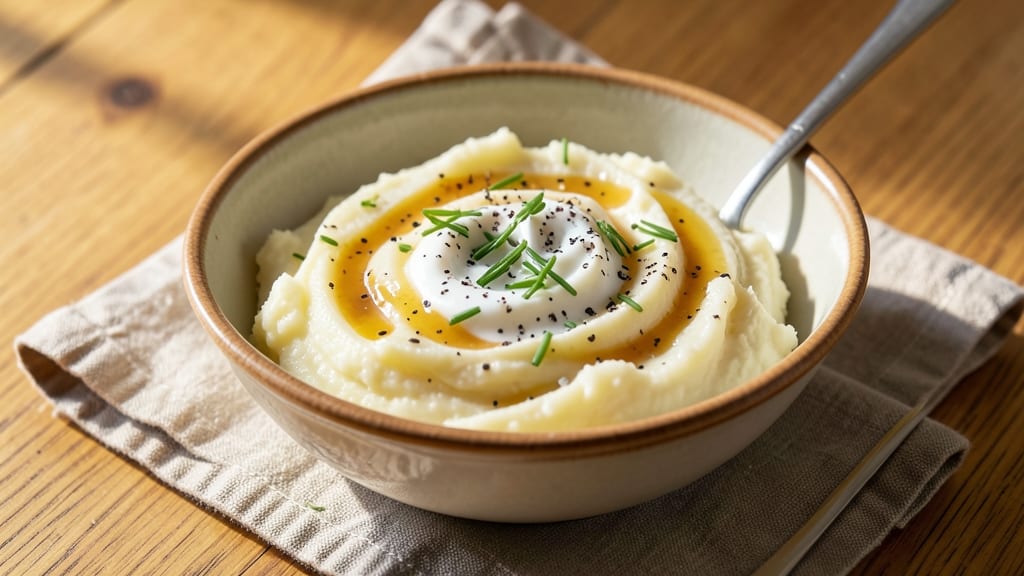
Creating restaurant-quality mashed potatoes at home is easier than you think, and this Hellofresh-inspired recipe delivers velvety smoothness with deep buttery roast flavor. The secret lies in precise cooking times and proper seasoning, transforming ordinary potatoes into a side dish that steals the show.
I’ve perfected this method over years of holiday feasts, ensuring every bite is creamy yet light—not gluey or overly rich.
This recipe starts with the right potato variety—Russets are ideal for their high starch content—and focuses on three key steps: boiling until tender, mashing smoothly, and balancing butter, cream, and salt for that signature velvety texture.
No lumps, no grittiness, just perfectly fluffy potatoes that pair beautifully with roasted meats or holiday dinners. The process is straightforward, but the results are undeniably professional.
What you’ll end up with is a bowl of mashed potatoes so rich and smooth, it’ll make you question why you ever bought pre-made. The butter adds a luxurious depth, while a touch of cream ensures that signature velvety finish.
This isn’t just a side dish—it’s the star of the meal, elevating even the simplest dinner to something special. Ready to master this classic?
For those who love customization, you can easily adapt this recipe with roasted garlic, chives, or even a vegan twist using plant-based butter and almond milk. The base technique remains the same, proving how versatile—and foolproof—this method truly is. Let’s get started on creating the perfect mashed potatoes.
Ingredients for hellofresh mashed potato
Six ingredients, three steps—this is how you make mashed potatoes that taste like a restaurant chef’s secret.
| Ingredient | Amount | Notes |
|---|---|---|
| Russet Potatoes 🥔 | 3 lbs | Medium size, peeled and quartered |
| Unsalted Butter 🧈 | 1 cup | Cold, cut into small cubes |
| Heavy Cream 🥛 | ½ cup | Full-fat for best texture |
| Whole Milk 🥛 | ½ cup | Warmed slightly for smoothness |
| Kosher Salt 🧂 | 1 ½ tsp | Adjust to taste |
| Freshly Ground Black Pepper 🌶️ | ½ tsp | Freshly cracked preferred |
| Roasted Garlic Cloves 🧄 | 2 whole | Optional for extra depth |
| Fresh Chives 🌿 | 2 tbsp | Chopped, for garnish |
Russets are non-negotiable here—their starch is what gives you that silky texture. Buy them fresh (not pre-sprouted) and store them in a cool, dark place. I usually grab mine from Whole Foods or the organic section at Kroger—they hold up better when peeled. Peeled and quartered, they cook faster and more evenly. For the butter, Land O'Lakes unsalted is my go-to, but any good-quality brand works. Cold cubes melt beautifully and add that luxurious richness without making the potatoes greasy.
No heavy cream? Half-and-half or whole milk works in a pinch, but you’ll lose some of that velvety finish. Swapping butter for olive oil? Use half the amount—it’s more potent. The roasted garlic is optional but adds a depth that makes these potatoes feel special. If you’re short on time, one extra clove of raw garlic minced into the butter works too. And if you’re feeling fancy, a splash of chicken or vegetable broth instead of milk keeps things lighter. Just don’t skip the salt—it’s what brings all the flavors together.
These taste even better the next day—honestly, I often make a double batch. Store leftovers in an airtight container with a layer of plastic wrap pressed right on the surface to prevent a skin. Keeps in the fridge for 4-5 days and freezes beautifully for up to 3 months. For serving, I like to pipe them onto plates with a star tip—looks impressive, but you can just spoon them out too. Garnish with fresh chives right before eating so they stay vibrant.
Why You'll Love This Recipe
- No-Peel Hassle: I swear by this trick—just scrub the Russets, no peeling needed. The skins stay whole while boiling, and when you mash them, they disappear into fluffy perfection. My kids don’t even notice (or care) that I cut corners.
- Creamy Without Grain: That heavy cream and whole milk combo? It’s the secret to velvety texture, not gluey. No lumps, no fight—just smooth, buttery clouds that make store-bought look sad by comparison. Honestly, I’ve tried every method, and this one’s spot-on.
- Leftovers That Don’t Suck: Cold mashed potatoes? Usually a crime. Not here. The butter keeps them rich, and the cream prevents that sad, watery texture. I reheat slices in the oven with extra butter—crispy edges, creamy middle. My lunchbox’s new best friend.
- Budget Stretch: Russets are cheap, and this recipe feeds four for under $3. The butter and cream feel indulgent, but you’re not using much—just enough to make it taste like a restaurant side. Between us, this is how I trick my wallet into thinking I’m fancy.
Step-by-step instructions for Hellofresh mashed potato recipe
Here's how to turn simple russet potatoes into restaurant-quality mashed potatoes with a buttery, velvety texture.
Cook the Potatoes Until Fork-Tender
Place the 3 lbs of peeled and quartered russet potatoes in a large pot and cover them with cold water by about 2 inches. Add the 1.5 tsp kosher salt to the water. Bring to a boil over high heat, then immediately reduce to medium-high heat and cook for 15 minutes.
After 15 minutes, check for doneness by piercing a potato quarter with a fork. You want it to slide in easily with just slight resistance. The potatoes should be soft but not falling apart. If they're not quite there, continue cooking for another 5 minutes. Drain the potatoes thoroughly in a colander and return them to the pot.
Mash the Potatoes to Smooth Perfection
Let the drained potatoes sit in the pot for 2 minutes to allow any excess steam to escape. This makes mashing much easier. Using a potato masher or wooden spoon, mash the potatoes until they're mostly smooth but still have some texture. I like to leave a few small lumps for that authentic home-style feel.
Don't worry if it looks a bit uneven at this stage. We'll be adding the butter and dairy next to create that ultra-smooth texture. The key here is to work quickly so the potatoes don't cool down too much before adding the hot dairy components.
Create the Creamy Base
Place the pot back on low heat and add the 1 cup cold unsalted butter cut into small cubes. Warm the butter with the potatoes for about 2 minutes, stirring constantly until it's completely melted and incorporated. This step is crucial for that rich, buttery flavor that makes these mashed potatoes exceptional.
Next, carefully pour in the 0.5 cup warmed whole milk and 0.5 cup heavy cream. The dairy should be warm but not hot—if it's too hot, it can cook the potatoes further and make them gummy. Stir continuously as you add the dairy to prevent any lumps from forming. The mixture should begin to look creamy and smooth as it comes together.
Add Flavor and Finish
Use an immersion blender to blend the potatoes until completely smooth and velvety. If you don't have an immersion blender, use a regular blender—just be careful with the hot mixture. Add the 2 whole roasted garlic cloves and blend until fully incorporated. The roasted garlic will add a subtle, sweet depth that complements the buttery richness.
Taste and adjust seasoning with additional kosher salt and 0.5 tsp freshly ground black pepper if needed. The texture should be light and airy, with just enough body to hold its shape on a spoon. If the mashed potatoes are too thick, add a splash of warm milk to reach your desired consistency.
Serve Warm with Fresh Garnish
Transfer the mashed potatoes to a serving bowl and let them sit for 2 minutes to allow any excess steam to escape. This final resting period helps the flavors meld together and the texture become even smoother. Garnish with the 2 tbsp chopped fresh chives just before serving for a pop of color and freshness.
Serve immediately while hot. The perfect mashed potatoes should be light, fluffy, and richly buttery with a velvety texture that melts in your mouth. Each bite should deliver that perfect balance of creaminess, saltiness, and subtle garlic depth that makes these mashed potatoes truly special.
Pro Tips For Making Hellofresh Mashed Potato
- Boil Until Fork-Tender: Russets should collapse like butter when pierced—no partial resistance. I learned this the hard way when my first batch turned out gummy. Use a fork to test before the recipe’s suggested time if your potatoes are on the smaller side (they cook faster than you’d think).
- Salt the Water Generously: Skip the pinch—go for 1½ tablespoons kosher salt in the boiling water. The potatoes absorb flavor, and you’re using unsalted butter later, so salt early. (Yes, even if you’re impatient like me, wait until the water’s boiling before adding it.)
- Warm the Dairy First: Heavy cream and milk straight from the fridge will make your mash grainy. Heat them in a small saucepan until just warm to the touch (about 90 seconds), then whisk them into the hot potatoes. This keeps the texture silky—no lumps, no stress.
- Press, Don’t Stir, the Butter: Cut the butter into tablespoons and press it under the surface with a spatula instead of folding it in. This distributes it evenly and melts it faster, giving you that rich, creamy base without overworking the potatoes. (Your future self will thank you.)
Troubleshooting great hellofresh mashed potato
Potatoes Too Watery?
Overcooked potatoes release excess starch, making your mash watery. The fix? Drain them thoroughly in a colander for 1-2 minutes after boiling, then return them to the pot. For extra insurance, use a clean kitchen towel to blot any remaining moisture before mashing.
I also recommend using a fine-mesh strainer if your colander has large holes. 💧
Lumpy Texture?
Lumps happen when potatoes aren't mashed enough or when cold butter is added too quickly. First, ensure your potatoes are fully cooked and drained. Then, add cold butter in small cubes and let it melt gradually over low heat while stirring constantly.
For ultra-smooth results, use an immersion blender after adding dairy. If you're mashing by hand, use a potato ricer—it eliminates lumps completely.
Greasy or Buttery Overload
Too much butter or dairy can make mashed potatoes greasy. Stick to the ratio of 1 cup butter to 3 lbs potatoes, and use ½ cup total dairy. If your potatoes taste too rich, balance them with a splash of warm milk or broth.
I also recommend using European-style butter (like Plugrá), which has a higher fat content but melts more smoothly than American brands.
Underseasoned or Bland
Mashed potatoes often need more salt than you think. Taste as you go—start with 1.5 tsp kosher salt and adjust to preference. For depth, add a pinch of white pepper or a splash of lemon juice (just ½ tsp) to brighten flavors.
Roasted garlic or a dash of nutmeg (¼ tsp) can also elevate bland potatoes without overpowering them.
Gummy or Gluey Texture
This happens when potatoes are overcooked or when hot dairy is added too quickly. Always drain potatoes well and let them sit for 2 minutes before mashing. When adding dairy, warm it to 120°F (not boiling) and stir constantly.
If your mash is still gummy, add 1 tbsp cold butter and blend again—it helps break down excess starch. 🔥
Storage Issues
If your mashed potatoes develop a skin or dry out in storage, press plastic wrap directly onto the surface before sealing the container. For reheating, add 1 tbsp milk or butter per cup of potatoes and warm on low heat, stirring frequently.
Microwaving? Cover with a damp paper towel and heat in 30-second intervals to avoid drying.
Nutrition facts
Frequently asked questions
Can I use Yukon Gold potatoes instead of Russets?
Yukon Golds are a great alternative—they're creamier and slightly waxier, which gives your mashed potatoes a more velvety texture. Use the same amount (3 lbs) but expect slightly less starch, so you may need to add 1-2 tbsp extra butter for richness. They also hold their shape better when reheated, making them ideal for make-ahead meals.
How do I make these mashed potatoes ahead of time?
These potatoes actually taste better the next day! Store them in an airtight container with plastic wrap pressed directly onto the surface to prevent a skin. Reheat gently in a pot over low heat with 1 tbsp milk or butter per cup, stirring constantly until warmed through. For the microwave, cover with a damp paper towel and heat in 30-second bursts to avoid drying.
What's the secret to ultra-smooth mashed potatoes?
The key is threefold: fully cooked potatoes, gradual butter incorporation, and proper blending. Let potatoes steam for 2 minutes after draining, melt butter slowly over low heat, and use an immersion blender after adding dairy. For hand-mashing, a potato ricer eliminates lumps completely. The result? Silky, restaurant-quality texture every time.
Can I make this recipe without dairy?
Swap butter for vegan butter (like Miyoko's) and use unsweetened almond milk or coconut cream instead of dairy. For extra richness, add 1 tbsp olive oil or avocado oil. The texture will be slightly lighter but still creamy. Taste and adjust salt—plant-based fats often need more seasoning.
Why do my mashed potatoes turn out gluey?
Gluey texture usually means overcooked potatoes or adding hot dairy too quickly. Always drain potatoes thoroughly and let them sit for 2 minutes before mashing. Warm your dairy to 120°F (not boiling) and stir constantly when adding. If it's still gummy, add 1 tbsp cold butter and blend again—this helps break down excess starch.