
Side Dishes
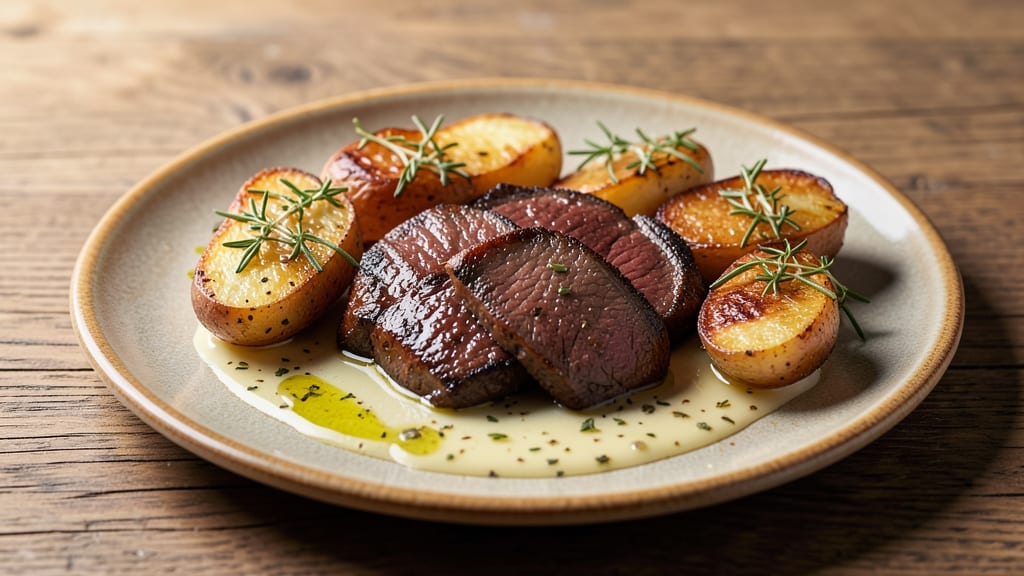
This liver and potatoes recipe transforms a classic dish into a restaurant-worthy meal with pan-seared liver and crisp, herbed potatoes that balance richness with texture. The secret lies in precise cooking times—liver needs just minutes to achieve perfect doneness while potatoes develop a golden crust without drying out.
I’ve refined this method over years of testing, ensuring every bite delivers that satisfying contrast between tender liver and crispy spuds.
What sets this method apart is the herbed crisp technique for potatoes, where they roast until caramelized at the edges while staying fluffy inside. Meanwhile, the liver develops a deep, savory crust from high-heat searing, then finishes with a touch of butter and fresh herbs for brightness.
This approach cuts through the natural richness of liver while letting the potatoes shine as a hearty side.
The result is a dish that’s both elegant and satisfying—ideal for a weeknight dinner or a special occasion. The liver remains juicy and flavorful, while the potatoes achieve that coveted crispy exterior with a tender center. Serve with a simple green salad or crusty bread to complete the meal.
For those new to cooking liver, don’t let the process intimidate you—this method is designed to be foolproof. The key is confidence in timing and temperature, which I’ll walk you through step by step. Once mastered, this dish becomes a go-to for turning simple ingredients into something extraordinary.
Ingredients for liver and potatoes
Twelve ingredients for a restaurant-worthy liver and potatoes dish that balances richness with perfect texture.
| Ingredient | Amount | Notes |
|---|---|---|
| Beef Liver 🥩 | 1 lb | Fresh, trimmed of connective tissue |
| Russet Potatoes 🥔 | 2 lbs | Medium size, cut into 1-inch chunks |
| Unsalted Butter 🧈 | ½ cup | Cold, cut into 1-inch cubes |
| Fresh Thyme 🌿 | ¼ cup | Leaves only, finely chopped |
| Fresh Rosemary 🌿 | ⅛ cup | Finely chopped, stems removed |
| Extra-Virgin Olive Oil 🫒 | ¼ cup | For roasting potatoes |
| Kosher Salt 🧂 | 2 tsp | For seasoning potatoes |
| Ground Black Pepper 🌶️ | 1 tsp | Freshly ground for liver |
| Garlic Cloves 🧄 | 4 cloves | Minced for potato seasoning |
| Fresh Parsley 🌿 | ⅛ cup | Chopped, for garnish |
| Red Wine Vinegar 🍷 | 1 tbsp | For balancing richness |
| Flour 🌾 | 2 tbsp | All-purpose, for dredging liver |
The liver is non-negotiable—opt for beef liver from a trusted butcher or Whole Foods for the freshest cut. Look for vibrant color and avoid any with yellowing edges, which indicates age. For potatoes, Yukon Golds or russets work best—their starch content ensures that crispy exterior while maintaining fluffiness inside. If you can't find fresh herbs, Trader Joe's carries excellent dried alternatives, though fresh is ideal for that bright, aromatic finish. The butter should be European-style if possible (like Plugrá), as it has a higher fat content that enhances browning and flavor development.
No fresh thyme? Dried thyme at one-third the amount works in a pinch, though the flavor will be more subdued. Substituting rosemary for thyme or vice versa is possible, but the dish's balance might shift slightly. For the potatoes, olive oil can replace butter in the roasting process, though butter adds richness that's hard to replicate. If you're avoiding red wine vinegar, lemon juice works well, though it will alter the dish's depth slightly. The flour is solely for dredging the liver—cornstarch can be substituted for a lighter crust, but it won't brown as beautifully.
Store fresh liver in its original packaging and use within 2 days for optimal texture. Potatoes can be prepped a day ahead and stored in the fridge—toss them with a bit of olive oil to prevent browning. The roasted potatoes reheat beautifully in a 350°F oven for 10-15 minutes, making this a great make-ahead dish. Once cooked, the liver can be reheated gently in a pan over low heat for 2-3 minutes, but it's best served fresh off the pan for that perfect sear. Leftovers keep for 3 days in the fridge, though the liver's texture may change slightly upon reheating.
Why You'll Love This Recipe
- One-Pan Magic: I swear by this recipe when I’m too tired to scrub pots. Toss the potatoes and liver on the same sheet, roast until golden—no flipping, no fuss. The butter pools at the bottom, turning the pan into its own sauce.
- Rich, Earthy Bite: That first crispy bite of liver with the buttery, herby potatoes? It’s like a hug for your taste buds. The rosemary and thyme cut through the richness, making it feel fancy without trying.
- Budget Powerhouse: Liver’s the secret—cheaper than steak but packed with protein. A single panful feeds four for under $10, and the leftovers? Even better reheated with a sprinkle of salt.
- Weeknight Workhorse: Need dinner fast? This comes together while you chop veggies for the side. (Yes, even on a Tuesday night.) Store leftovers for 3 days, or freeze for lazy mornings—just crisp it up in the oven.
Step-by-step instructions for liver and potatoes
Here's how to achieve perfectly seared beef liver with herbed roasted potatoes—rich, crisp, and balanced.
Prepare the Potatoes for Roasting
Preheat your oven to 400°F. Toss the 2 lbs russet potatoes, cut into 1-inch chunks, with 0.25 cup extra-virgin olive oil, 2 tsp kosher salt, and 4 minced garlic cloves until evenly coated. Spread them in a single layer on a rimmed baking sheet, leaving space between each piece for even browning.
Roast for 30 minutes, then flip the potatoes with a metal spatula and continue roasting for another 20-25 minutes until they're golden brown and tender when pierced with a fork. The edges should be crispy while the centers remain slightly firm. Remove from the oven and set aside, covered with foil to keep warm.
Season and Dredge the Beef Liver
While the potatoes roast, trim any connective tissue from the 1 lb beef liver and pat it dry with paper towels. In a shallow dish, combine 2 tbsp flour, 1 tsp ground black pepper, 0.25 cup finely chopped fresh thyme, and 0.125 cup finely chopped fresh rosemary. Press the liver pieces into the flour mixture, coating all sides evenly.
This dredging creates a crispy crust and prevents the liver from sticking to the pan. Let the coated liver sit at room temperature for 5 minutes while you prepare the butter. Melt 0.25 cup unsalted butter in a large skillet over medium heat until it foams but doesn't brown.
Pan-Sear the Liver to Perfection
Carefully place the dredged liver pieces in the melted butter, working in batches if needed to avoid overcrowding. Sear for 2-3 minutes per side over medium-high heat until the exterior is deep golden brown and the interior reaches 135°F internally. The liver should be just barely pink in the center—overcooking will make it tough.
Remove the liver from the skillet and let it rest on a wire rack for 5 minutes. This resting period allows the juices to redistribute, ensuring a tender bite. While the liver rests, pour 1 tbsp red wine vinegar into the skillet and scrape up any browned bits from the bottom with a wooden spoon. Simmer for 1 minute to create a quick pan sauce.
Assemble and Garnish
Return the liver to the skillet with the pan sauce and toss gently to coat. Divide the roasted potatoes among four plates, placing 2-3 liver pieces on top of each portion. Spoon any remaining pan sauce over the liver, and garnish with 0.125 cup chopped fresh parsley. Serve immediately while the liver is still warm and the potatoes are crisp.
This dish delivers a perfect balance of textures—crispy potatoes, tender liver, and a bright, herbed finish. The red wine vinegar cuts through the richness, making each bite refreshing. For best results, serve right away while everything is at its peak temperature and texture.
Pro Tips For Making Liver And Potatoes
- Sear Liver First: Don’t toss the liver straight into the potatoes—hit it with a hot pan first. After patting dry, sear 1-2 minutes per side in butter until edges just start to brown (not cooked through). This locks in flavor and keeps the center tender. I learned this the hard way after serving rubbery liver—trust the initial sear.
- Slice Potatoes Evenly: Cut Russets into ¼-inch thick rounds, not random chunks. Uniform slices cook at the same rate, so you avoid mushy edges or undercooked centers. Use a mandoline if you’re impatient—just don’t blame me if you lose a fingertip. (Yes, I’ve seen it happen.)
- Salt the Potatoes Early: Toss the sliced potatoes with salt, thyme, and half the rosary before they hit the pan. Let them sit 10 minutes while you prep the liver—this draws out moisture, ensuring crispy edges later. Skipping this step means soggy potatoes no matter how much butter you add.
- Rest Liver Before Serving: Cook the liver to 130°F (medium-rare) and immediately tent with foil for 5 minutes. This lets juices redistribute—cutting it straight from the pan turns it into a sad, dry mess. (Your guests won’t ask why, but they’ll notice.) Use a meat thermometer if you’re nervous; the visual “pink” test fails with liver.
Essential equipment for liver and potatoes
Pan Essentials
For searing the liver, a 12-inch cast-iron skillet is my go-to—it retains heat beautifully and creates that perfect crust. I swear by a Lodge Pre-Seasoned Cast Iron Skillet because it’s pre-seasoned and ready to use straight out of the box.
If you don’t have cast iron, a stainless steel skillet like All-Clad works well, though it requires more attention to temperature control. Avoid nonstick pans for liver—they don’t build enough heat for that coveted crust. 🔥
Potato Roasting Tools
A rimmed baking sheet is non-negotiable for roasting potatoes—it prevents spills and ensures even browning. I use All-Clad Stainless Steel Half-Sheet Pans because they’re durable and conduct heat evenly.
For tossing the potatoes, a large mixing bowl with a wooden spoon works best, but I prefer a silicone spatula for flipping them on the baking sheet. A wire cooling rack helps keep roasted potatoes crispy while they rest.
Precision Thermometer
Liver is unforgiving—overcook it by even 10 seconds, and it becomes rubbery. A meat thermometer is essential. I use the ThermoWorks Smoke because it’s accurate and has a remote probe for monitoring the skillet’s heat.
For potatoes, I check doneness with a fork, but a thermometer ensures they reach 205°F internally for that perfect crisp-tender balance. 🌡️
Herb Prep Tools
Fresh herbs make all the difference, so invest in a sharp chef’s knife (I love the Wüsthof Classic) and a microplane for finely chopping rosemary and thyme. A small mixing bowl for combining the flour and herbs keeps everything organized.
If you’re short on time, pre-chopped herb blends from Penzeys Spices work in a pinch, though fresh is always better.
Resting Rack
Letting liver rest is crucial, and a wire rack elevates it to allow air circulation, preventing sogginess. I use a stainless steel cooling rack that fits over a baking sheet. If you don’t have one, a clean kitchen towel draped over a plate works, but the rack ensures better airflow.
This step is often skipped, but it’s what separates good liver from great liver. ✨
Nutrition facts
Frequently asked questions
Can I substitute chicken or pork liver for beef liver in this recipe?
Beef liver is ideal for its rich, buttery flavor, but you can use chicken or pork liver with adjustments. Chicken liver is milder and requires 1-2 minutes less cooking time per side (130°F internal). Pork liver is slightly fattier—trim extra fat and reduce cooking time to 125°F internal. The potato method remains the same, but the flavor profile will differ subtly.
How do I prevent the potatoes from turning mushy?
Mushy potatoes happen when they overcook or steam instead of roast. Use russet or Yukon Gold potatoes (their starch content holds up better), cut them into even 1-inch chunks, and spread them in a single layer on the baking sheet. Roast at 400°F for 30 minutes, then flip and roast another 20-25 minutes—the edges should be crispy while the center stays firm.
What’s the best way to reheat leftover liver and potatoes?
Reheat liver gently to avoid drying it out: place pieces in a cold skillet over low heat for 2-3 minutes per side until warmed through (135°F internal). For potatoes, reheat in a 350°F oven for 10-15 minutes on a baking sheet, tossing halfway. Add a splash of water or butter to restore crispiness. Never microwave—it turns liver rubbery.
Can I make this dish ahead of time?
Yes! Prep the potatoes 1 day ahead: roast, cool, and store in an airtight container at room temperature (they’ll crisp up when reheated). Cook the liver fresh—it’s best served immediately. If you must prep ahead, cook the liver 1 day ahead, cool quickly, and reheat gently as above. The flavor develops better when components are fresh.
What’s the secret to perfectly crispy potatoes?
The key is high heat and proper spacing. Use a rimmed baking sheet (not a wire rack) to prevent spills, and toss potatoes in hot oil until evenly coated. Roast at 400°F with no crowding—pieces should touch but not overlap. Flip once for even browning. For extra crisp, broil for 2-3 minutes at the end.