
Side Dishes
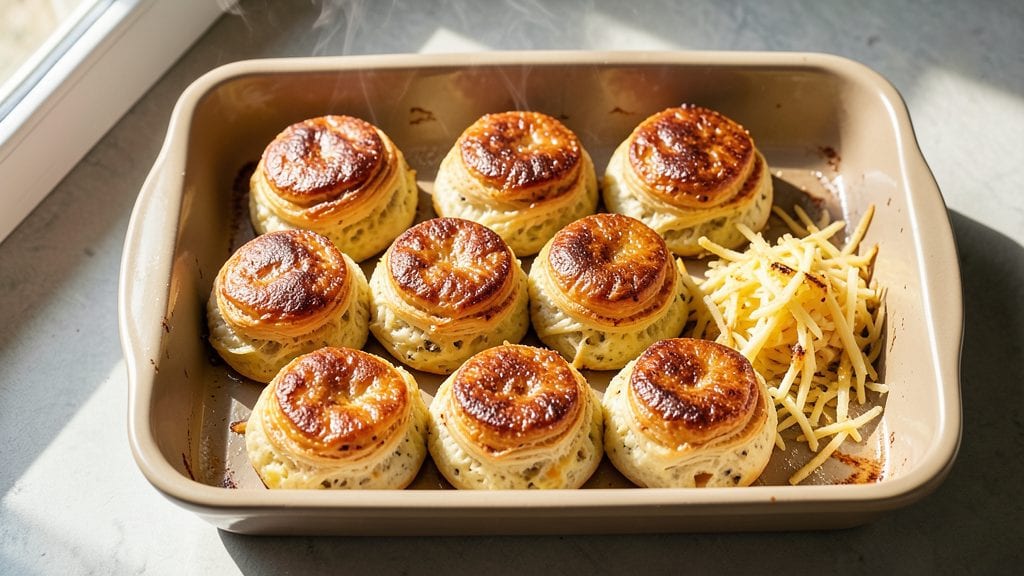
Martin's potato rolls recipe delivers the flaky, layered perfection that makes every meal feel special. These tender rolls with a buttery vinegar kiss have been a Sunday dinner staple in my kitchen for years—simple enough for weeknights but impressive enough for company.
The secret lies in a precise dough ratio and proper proofing, which transforms basic ingredients into golden, pillowy rolls with crisp edges.
What sets these apart is the vinegar-infused butter used for brushing, creating that signature tangy depth that balances the richness. Unlike many recipes that rely on shortcuts, this version requires patience—letting the dough rise twice ensures maximum flavor and texture.
The result? Rolls so tender they practically melt in your mouth, with layers so delicate they separate effortlessly.
Perfect for serving alongside roasted meats or as a side for holiday feasts, these potato rolls elevate any meal. The dough comes together in under 30 minutes, but the proofing time means you can prepare ahead and bake fresh when ready.
Whether you're feeding a family or hosting dinner guests, this recipe delivers restaurant-quality results with minimal effort.
For extra flavor, try adding fresh herbs or garlic to the butter before brushing. The possibilities are endless, but the foundation remains the same—flaky layers that disappear faster than you can say "second helping." Let's get started on creating these timeless rolls that bring comfort to every table.
Ingredients for martin's potato rolls
Flaky layers start with these simple staples—flour, potatoes, and patience for perfect rolls.
| Ingredient | Amount | Notes |
|---|---|---|
| All-Purpose Flour 🌾 | 5 cups | Sifted for light texture |
| Granulated Sugar 🍚 | ½ cup | Ensures tender crumb |
| Instant Yeast 🍞 | 2 tsps | Ensures even rising |
| Salt 🧂 | 1 tsp | Kosher or sea salt |
| Shredded Potatoes 🥔 | 2 cups | Russet, peeled and grated |
| Unsalted Butter 🧈 | ½ cup | Cold, cubed for dough |
| White Vinegar 🍶 | ½ cup | For tangy butter brush |
| Large Eggs 🥚 | 1 whole | Room temperature |
| Milk 🥛 | ½ cup | Warm for yeast activation |
| Unsalted Butter 🧈 | ¼ cup | Melted for brushing |
| White Vinegar 🍶 | 2 tbsp | For butter mixture |
| Coarse Sea Salt 🧂 | 1 tbsp | For sprinkling |
The potatoes make these rolls special. Russet potatoes are ideal—their starch creates that signature flakiness. Grab a box of pre-shredded from Trader Joe's if you're short on time, but freshly grated (on the large holes of a box grater) gives the best texture. For the flour, King Arthur or Gold Medal brands work beautifully—they're consistent and reliable. Don't skip sifting it, even if it's a pain; those little air pockets are key for light, airy layers. I always buy my butter from Land O'Lakes or Plugrá—they hold up better during the long proofing time without turning greasy.
No vinegar? Lemon juice works in a pinch, but the flavor won't be quite the same. Short on potatoes? Sweet potatoes add moisture and sweetness, though they'll change the texture slightly. The yeast is non-negotiable here—instant yeast is best since it doesn't need proofing in liquid. If you're making these ahead, refrigerate the dough overnight and let it rise at room temperature the next morning. The milk should be warm (about 110°F) to activate the yeast properly—too hot and it kills it, too cold and it won't rise. For the butter mixture, use full-fat butter—low-fat just won't give that rich, buttery flavor.
This dough needs time—at least 2 hours for the first rise, then another 1 hour after shaping. Keep it covered with a damp towel in a warm spot (the top of the oven with the light on works great). The rolls keep well in an airtight container for 2 days at room temperature, or 3 months frozen. For reheating, wrap them in foil and warm in a 350°F oven for 10 minutes—they'll be just as tender as fresh. Double the recipe and freeze half for lazy weeknights.
Why You'll Love This Recipe
- No-Knead Magic: I swear by this dough—just mix, let it rise, and fold once. The shredded potatoes do half the work, giving you that tender, fluffy texture without a single punch of the counter.
- Sweet-Savory Surprise: That little pinch of sugar in the dough? It’s not just for flavor—it caramelizes with the potatoes, creating this unexpected but addictive contrast. (Yes, even my kids ask for seconds.)
- Sunday Dinner Starter: These rolls are my go-to when I’m prepping for a big meal. They reheat like a dream—crispy outside, soft inside—and pair perfectly with anything from roasted chicken to mashed potatoes.
- Pantry-Friendly Savior: Honestly? This recipe uses stuff you already have. No specialty ingredients, no last-minute grocery runs. The yeast and flour combo keeps it reliable, and a batch makes enough to feed four—or save for lazy mornings.
Step-by-step instructions for martin's potato rolls recipe
Here's how to create those legendary flaky potato rolls with a buttery vinegar finish.
Mix the Dough for Maximum Flakiness
In a large mixing bowl, combine the 5 cups all-purpose flour, 0.5 cup granulated sugar, 2 teaspoons instant yeast, and 1 teaspoon salt. Whisk everything together until evenly distributed. This dry mix forms the foundation for our tender, layered rolls.
Next, add the 2 cups shredded potatoes to the bowl. The moisture from the potatoes will help activate the yeast while adding that signature potato flavor. Create a well in the center and pour in the 0.5 cup warm milk and 1 whole large egg. Mix gently with a wooden spoon until a shaggy dough begins to form.
Now comes the magic: gradually add the 0.5 cup cold unsalted butter, cut into small cubes, to the dough. Use your fingers to work the butter into the mixture until it's fully incorporated. The cold butter will create those beautiful flaky layers when baked. If the dough feels too dry, add 1 tablespoon white vinegar to help bring it together.
Knead and Rest for Perfect Texture
Turn the dough out onto a lightly floured surface and knead for 5-7 minutes until smooth and elastic. You're looking for a dough that springs back slightly when pressed. The kneading develops gluten, which gives the rolls their structure while keeping them tender.
Shape the dough into a ball, place it back in the mixing bowl, and cover with a clean kitchen towel. Let it rest at room temperature for 30 minutes. This resting period allows the gluten to relax, making it easier to roll out later. It also helps the yeast activate properly for even rising.
Roll and Layer for Signature Flakiness
After resting, divide the dough into 12 equal pieces (about 2 ounces each) and roll each piece into a 12-inch circle on a floured surface. I like to keep them thin—about ⅛-inch thick—for maximum flakiness. The thinner you roll them, the more layers you'll get when folded.
Here's where the flaky magic happens: brush each circle with a mixture of 0.25 cup melted unsalted butter and 2 tablespoons white vinegar. This buttery vinegar brush creates that signature tangy flavor while keeping the layers moist. Then, sprinkle each circle lightly with 1 tablespoon coarse sea salt—just a pinch on each one will do.
Starting from one edge, carefully roll each circle into a tight log. Place the rolls seam-side down in a greased 9x13-inch baking dish, leaving a little space between them. They'll expand as they bake. Cover the dish with a clean towel and let them rise for 45-60 minutes until puffy and almost doubled in size.
Bake Until Golden and Flaky
Preheat your oven to 375°F. Brush the risen rolls one final time with the remaining butter-vinegar mixture. This last brushing ensures that signature buttery flavor and helps create a beautiful golden crust.
Bake for 25-30 minutes until the rolls are deep golden brown on top and the internal temperature reaches 190°F. The rolls should sound hollow when tapped on the bottom. If they brown too quickly, tent them loosely with foil to prevent over-browning while they finish baking.
Remove from the oven and let the rolls cool in the baking dish for 10 minutes before transferring to a wire rack. This resting period allows the layers to set properly, making them easier to slice and serve. The result should be rolls with delicate, flaky layers that practically melt in your mouth, with that perfect buttery vinegar tang.
Pro Tips For Making Martin'S Potato Rolls
- Microwave Potatoes First: DESCRIPTION: I learned this the hard way—skipping the microwave step means your shredded potatoes stay clumpy and release too much moisture into the dough. Hit them for 3-4 minutes until just soft, then let cool completely before mixing. Cold potatoes = less sticky dough and rolls that hold their shape.
- Measure Yeast Fresh: DESCRIPTION: That "instant yeast" jar’s been open for months? Toss it. Old yeast wakes up slow—or not at all—and your rolls will take forever to rise (or worse, never). Buy a small fresh packet for this recipe; it’s cheap insurance against flat, sad rolls.
- Knead Just Enough: DESCRIPTION: This isn’t bread dough—overworking it makes the rolls tough. Mix the flour, sugar, yeast, and potatoes until just combined, then fold in the wet ingredients until a shaggy dough forms. One or two gentle stretches is all it needs.
- Proof Rolls in a Bowl: DESCRIPTION: Resist the urge to shape and proof them directly on a baking sheet—you’ll end up with uneven rises and burnt bottoms. Shape the rolls into balls, place them in a greased bowl, cover with a damp towel, and let them double in size. Flip them onto the sheet right before baking for perfect golden crusts.
Wine and beer pairings for this martin's potato rolls
Classic Lager Pairing
A crisp, light-bodied American lager like Miller Lite or Budweiser is my go-to choice for these potato rolls. The clean, refreshing malt profile cuts through the richness of the buttery rolls while the subtle carbonation cleanses your palate between bites.
I’ve found that the 4.2% ABV of these beers complements the rolls without overpowering their delicate layers. Serve it well-chilled—around 38°F—to enhance the contrast between the warm rolls and cool beer. 🍺
Honey-Spiced Ale
For a more adventurous pairing, try a honey ale like Fat Tiger Honey Brown Ale or New Belgium Fat Tire Amber Ale. The natural sweetness of the honey balances the tangy vinegar in the rolls, while the caramel and toasty malt notes echo the buttery richness.
The 5.5-6% ABV adds a touch of warmth that pairs beautifully with the flaky texture. I like to serve this slightly warmer—around 45°F—to let the flavors meld together.
Dry Riesling
If you prefer wine, a dry Riesling from Germany or Alsace is a fantastic match. The bright acidity and citrus notes in the wine cut through the buttery richness, while the mineral finish complements the rolls’ flaky layers.
Look for a wine with 8-10% alcohol and minimal residual sugar, like Dr. Loosen Blue Slate Riesling or Trimbach Riesling. Serve it well-chilled—around 45-50°F
For a non-alcoholic option, a dry sparkling cider like Martinelli’s Brut or Woodchuck Hard Cider (if you want a touch of alcohol) works beautifully. The effervescence and tartness provide a refreshing contrast to the rolls’ buttery richness. The 4-5% ABV in hard cider adds a subtle warmth that enhances the overall experience without overpowering the dish. Serve it ice-cold—around 36°F—for the best effect. If you love herbs, try pairing these rolls with a slightly herbal beer like Sierra Nevada Pale Ale or Allagash White. The subtle hop bitterness and herbal notes add complexity that pairs well with the rolls’ buttery, tangy profile. The 5.2-5.6% ABV provides enough body to stand up to the richness without being overwhelming. I recommend serving it at 42°F to let the flavors shine.Sparkling Cider
Herbal Beer Twist
Nutrition facts
Frequently asked questions
Can I use sweet potatoes instead of russet potatoes?
Yes, you can substitute sweet potatoes, but expect a slightly different texture and flavor. Sweet potatoes add natural sweetness and moisture, which will make the rolls denser and less flaky. For best results, use 1.5 cups grated sweet potato and reduce the sugar to 0.25 cup to balance the sweetness. The vinegar butter will still complement the flavor beautifully.
How do I fix dough that's too sticky?
If your dough feels too sticky, gradually add 1 tablespoon flour at a time while kneading. The goal is to reach a smooth, elastic texture that doesn't stick to your fingers. Avoid over-flouring, as this can make the rolls tough. If the dough still feels too wet, let it rest uncovered for 10 minutes—the flour will absorb the moisture naturally.
Can I make these rolls without vinegar?
While vinegar adds that signature tang, you can substitute with lemon juice or apple cider vinegar in equal amounts. For a richer flavor, try white wine instead. Just remember, the acidity helps tenderize the dough and balances the butter's richness, so skipping it may make the rolls taste heavier.
Why aren't my rolls flaky?
Flaky layers come from cold butter and proper rolling technique. Ensure your butter is cold and cubed before mixing, and roll the dough as thin as possible (⅛-inch thick). Also, don't skip the butter-vinegar brush between layers—this creates steam during baking, which separates the layers. If they're still dense, your oven may be too hot—try baking at 350°F instead.
How long can I keep the dough before baking?
The dough stays fresh for 24 hours in the refrigerator, covered tightly. Let it rise at room temperature for 1-2 hours before shaping and baking. For longer storage, freeze the shaped rolls (unrisen) on a tray, then transfer to a bag. Thaw overnight in the fridge before rising and baking. Frozen rolls keep for 3 months—just add 5-10 minutes to baking time.