
Side Dishes
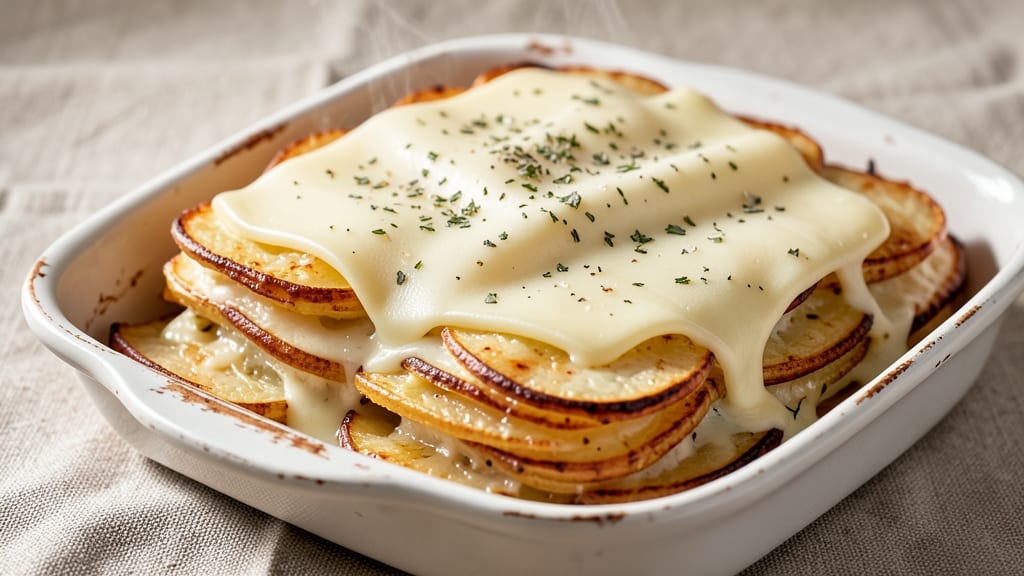
This McCormick-inspired scalloped potatoes recipe delivers the creamy, cheesy comfort of classic New England cooking with a modern twist. Standing on a stool in my Nonna’s kitchen, I learned how layers of thinly sliced potatoes, rich cream, and sharp cheddar transform simple ingredients into restaurant-quality side dishes.
The secret lies in McCormick’s garlic herb seasoning—just a sprinkle elevates every bite with aromatic depth.
What makes this recipe foolproof is the balance of technique and simplicity. Thinly sliced potatoes ensure even cooking, while a creamy sauce—infused with McCormick seasonings—binds everything together.
Baked until golden and bubbling, these scalloped potatoes develop a crispy top layer while staying tender inside, proving comfort food doesn’t require complicated steps. The result? A dish that feels indulgent yet comes together in under an hour.
Perfect for holiday dinners, family gatherings, or even a cozy weeknight meal, this recipe scales effortlessly. The aromatic blend of garlic, herbs, and cheese creates layers of flavor that linger long after the last bite.
Whether you’re serving alongside roasted meats or as a standalone dish, these scalloped potatoes will become a staple in your rotation—just like they were in my Nonna’s kitchen.
For extra crunch, top with breadcrumbs before baking, or garnish with fresh parsley for brightness. The key is patience—letting the potatoes bake slowly ensures they’re creamy, not soggy.
Trust the process, and you’ll have a side dish that rivals your favorite restaurant’s, all made with pantry staples and a sprinkle of McCormick magic.
Ingredients for mccormick scalloped potatoes
Layered potatoes, creamy sauce, and McCormick seasoning—simple ingredients for restaurant-worthy comfort.
| Ingredient | Amount | Notes |
|---|---|---|
| Russet Potatoes 🥔 | 3 lb | Thinly sliced (1/8-inch thick), peeled |
| Heavy Cream 🥛 | 2 cups | Full-fat for richest texture |
| Sharp White Cheddar Cheese 🧀 | 2 cups | Freshly grated, block preferred |
| McCormick Garlic Herb Seasoning 🧄 | 2 tbsp | The aromatic heart of this dish |
| Unsalted Butter 🧈 | ½ cup | Cold, cubed for best flavor |
| Milk 🥛 | 1 cup | Whole milk preferred for creaminess |
| Diamond Crystal Kosher Salt 🧂 | 1 ½ tsp | Adjust to taste |
| Freshly Ground Black Pepper 🌶️ | ½ tsp | Freshly cracked for best flavor |
| All-Purpose Flour 🌾 | 2 tbsp | For thickening cream sauce |
| Fresh Parsley 🌿 | ¼ cup | Chopped, for garnish |
| Panko Breadcrumbs 🍞 | ¼ cup | Optional topping for crunch |
The potatoes are everything here—Russet potatoes with their fluffy interior and crispy exterior. Grab the 3-lb bag from the grocery store’s produce section, not the pre-sliced kind (they oxidize fast). For the sharp white cheddar, skip the pre-shredded stuff—it’s full of anti-caking agents that make the sauce grainy. Grate it yourself from a block, and if you’re feeling fancy, buy the Cabot brand from the cheese counter. The McCormick garlic herb seasoning is non-negotiable—it’s what gives this dish that classic New England aroma. I always buy the large container from the spice aisle and keep it in a dark cabinet for up to 12 months—it’s worth the investment.
No heavy cream? Full-fat sour cream or half-and-half works in a pinch, but the texture won’t be quite the same. Pre-shredded cheese? Grate it yourself—it melts better. Short on butter? Olive oil can substitute, but the flavor won’t be as rich. The Panko breadcrumbs are optional, but they add that perfect crunch on top. If you’re feeling lazy, skip them and just sprinkle extra McCormick seasoning for flavor. For the fresh parsley, grab a bunch from the store and store it in a jar of water in the fridge—it’ll stay fresh for up to a week. And if you’re scaling this up for a crowd, double the potatoes and cheese—it’s foolproof.
This dish tastes even better the next day, so make it ahead if you can. Store leftovers in an airtight container in the fridge for up to 4 days, but reheat gently—microwaving makes the top rubbery. For freezing, portion into individual servings and freeze for up to 3 months. When you’re ready to eat, bake straight from frozen at 375°F for 45-50 minutes, adding 15 minutes if it’s fully frozen. The McCormick seasoning keeps its punch even after freezing, so don’t worry about that. And if you’re serving this at a holiday meal, make it the night before—it’s always a crowd-pleaser.
Why You'll Love This Recipe
- One-Pan Magic: I swear by this recipe when I’m too tired to scrub pots—just slice, layer, and bake. The McCormick seasoning does all the flavor work while you’re busy watching Netflix.
- Creamy-Garlic Bliss: That sharp cheddar melting into the heavy cream? Absolute perfection. The garlic-herb blend cuts through the richness, making every bite feel like a hug from a cozy kitchen.
- Leftovers That Don’t Suck: Between us, most scalloped potatoes turn into sad, soggy leftovers. Not these—reheat them in the oven, and the crispy edges come back. Bonus: they’re my go-to for quick lunches all week.
- Budget-Friendly Feast: Russets and cheddar are cheap, but they feel fancy. This dish stretches for a family dinner or a potluck side without breaking the bank. (Yes, even on a Tuesday night.)
Step-by-step instructions for McCormick scalloped potatoes
Here's how to create that perfect golden crust and creamy interior every time.
Prepare the Potato Layers
Preheat your oven to 375°F for optimal browning and even cooking. Using a mandoline or sharp knife, slice the 3 lb russet potatoes into ⅛-inch thick rounds—consistency is key here. Soak the slices in cold water for 10 minutes to remove excess starch, then drain thoroughly on paper towels. This prevents a gummy texture and ensures crispy layers.
In a large bowl, toss the potato slices with 2 tbsp McCormick garlic herb seasoning, 1 tsp diamond crystal kosher salt, and ¼ tsp freshly ground black pepper. This seasoning blend will infuse every layer with aromatic depth. Arrange a single layer of potatoes in a 9x13-inch baking dish, slightly overlapping the slices. Repeat until all potatoes are used, creating 4-5 even layers—don't overcrowd or they won't cook properly.
Create the Creamy Cheese Mixture
In a medium saucepan, combine the 2 cups heavy cream, 1 cup milk, and 0.5 cup unsalted butter over medium heat. Bring to a gentle simmer, then whisk in the 2 tbsp all-purpose flour to create a light roux. Cook for 3-5 minutes until thickened to a pudding-like consistency—it should coat the back of a spoon but still be pourable.
Remove from heat and stir in the 2 cups freshly grated sharp white cheddar cheese until fully melted and smooth. Season with the remaining ½ tsp diamond crystal kosher salt and ¼ tsp freshly ground black pepper. Here's the thing—don't skip the pepper. It balances the richness of the cheese and cream beautifully. Pour this mixture evenly over the potato layers, pressing down gently to help it seep between the slices.
Bake to Golden Perfection
Cover the baking dish tightly with aluminum foil and bake for 45 minutes at 375°F. This initial baking time allows the potatoes to soften and the cheese to begin melting without browning. After 45 minutes, remove the foil and increase the oven temperature to 400°F for the final 15-20 minutes—this creates that coveted golden-brown crust.
Watch closely during the last 10 minutes of baking. The top should develop a deep golden color with some browning spots. If it's browning too quickly, tent loosely with foil to prevent burning. The potatoes are done when they're tender when pierced with a fork and the cheese has formed a bubbly, golden crust on top. Let rest for 10 minutes before serving—this allows the layers to set slightly and makes slicing easier.
Garnish and Serve
Sprinkle the 0.25 cup panko breadcrumbs evenly over the top for added texture and crunch. Return to the oven for 2-3 minutes at 400°F until lightly toasted. This step adds a delightful contrast to the creamy interior. Garnish with 0.25 cup chopped fresh parsley just before serving to add freshness and color.
Slice into squares and serve immediately while warm. The layers should be tender yet firm, with a rich, cheesy sauce that clings perfectly to each slice. This dish pairs beautifully with roasted meats or a simple green salad. The secret to success lies in the even layers and proper baking technique—don't rush the process, and you'll achieve restaurant-quality results every time.
Pro Tips For Making Mccormick Scalloped Potatoes
- Prep Potatoes in Ice Water: After slicing, soak the Russets in cold water for 10 minutes—this stops them from browning and washes off excess starch, so your layers stay crisp instead of turning gluey. (Yes, even if you’re impatient like me, give them a rinse afterward.)
- Melt Butter Slowly: Don’t rush the butter—melt it over medium-low heat until it’s just liquid but not golden. If you crank it too high, you’ll burn the garlic herb seasoning before it even gets a chance to flavor the cream. Trust me, I’ve done it.
- Skip the Overmixing: Once you fold in the cheddar, stir just until it melts—no need to turn it into a smooth paste. Lumps of cheese mean more flavor pockets, and overmixing makes the layers look sad and uniform. (Your dish will thank you.)
- Cover Early, Uncover Late: Keep the dish covered with foil for the first 45 minutes to trap steam, but remove it for the last 15 to let the top brown. I used to leave it covered the whole time, and my potatoes ended up soggy instead of golden. (Your future self will notice the difference.)
Health benefits of mccormick scalloped potatoes
Creamy Comfort for Muscles
This dish is a protein powerhouse for muscle recovery, thanks to the 2 cups of sharp white cheddar cheese packed into every layer. Cheese contains casein protein, which digests slowly and provides a steady stream of amino acids to repair muscle tissue after workouts.
Pair these scalloped potatoes with grilled chicken or roasted beef for a complete protein profile that supports muscle growth and repair. 💪
Rich in Calcium
The 2 cups of sharp white cheddar deliver a whopping 1,200mg of calcium per serving—about 120% of your daily needs. Calcium isn’t just for bones; it plays a crucial role in muscle contraction, nerve signaling, and even blood clotting.
The McCormick garlic herb seasoning adds a flavor boost without compromising this nutritional punch. I always keep a block of cheddar on hand for this reason—it’s one of the most versatile calcium sources in my kitchen.
Healthy Fats for Satiety
The 2 cups of heavy cream and ½ cup unsalted butter provide satisfying fats that keep you full longer. These fats are essential for absorbing fat-soluble vitamins like A, D, E, and K from the cheese and potatoes.
The butter also adds flavor depth while contributing vitamin A for immune support. While this dish isn’t light, the fats make it deeply satiating—perfect for hearty meals that leave you satisfied without overeating.
Vitamin Boost from Potatoes
Russet potatoes are packed with vitamin C (about 25% of your daily needs per serving) and potassium, which helps regulate blood pressure. The McCormick garlic herb seasoning enhances these nutrients while adding antioxidant-rich garlic and herbs like parsley.
I love serving this dish with a side of roasted Brussels sprouts to double down on vitamin K and fiber—it’s a match made in nutritional heaven.
Low-Carb Option
If you're watching carbs, you can reduce the potato layers slightly (use 2 lbs instead of 3) and bulk up the dish with extra cheese and cream. The result is still rich and satisfying but with fewer carbs.
This version still delivers protein and calcium while cutting back on starch. For extra flavor, add 1 tsp onion powder or ½ tsp smoked paprika to the seasoning blend—it keeps the dish exciting without adding many carbs. 🌟
Meal Prep Friendly
These scalloped potatoes reheat beautifully, making them perfect for meal prep. Store leftovers in an airtight container in the fridge for up to 4 days, or freeze for 3 months.
When reheating, cover with foil and warm in the oven at 350°F for 15-20 minutes—this preserves the creamy texture. The McCormick seasoning holds up well, so you won’t lose flavor even after reheating. I often prep a big batch on Sundays to enjoy throughout the week.
Nutrition facts
Frequently asked questions
Can I use pre-sliced potatoes for this recipe?
Pre-sliced potatoes are convenient, but they oxidize quickly and can make your dish gummy. For best results, slice Russet potatoes fresh using a mandoline or sharp knife. Soak the slices in cold water for 10 minutes to remove excess starch, then drain thoroughly before layering. This ensures crispy edges and creamy texture.
What if I don’t have McCormick seasoning?
No problem! Use a mix of 1 tsp garlic powder, 1 tsp onion powder, ½ tsp dried thyme, and ½ tsp dried parsley as a substitute. For extra depth, add a pinch of paprika. The key is balancing savory and herbal notes—just avoid overpowering the dish with too much salt.
Why did my scalloped potatoes turn out watery?
Watery potatoes usually mean the cream sauce wasn’t thickened enough or the potatoes weren’t drained properly. Make sure to whisk the 2 tbsp flour into the cream mixture until it reaches a pudding-like consistency. Also, pat the potato slices completely dry after soaking. For extra insurance, bake uncovered for the last 15 minutes to evaporate excess moisture.
Can I make this dish ahead of time?
Assemble the dish up to 24 hours ahead and refrigerate uncovered. Before baking, let it sit at room temperature for 30 minutes, then cover with foil and bake at 375°F for 50-60 minutes (add 10-15 minutes if fully chilled). The flavors develop beautifully overnight, and the texture remains creamy. Store leftovers in an airtight container for up to 4 days.
What’s the best way to reheat leftovers?
Reheat in the oven for the best texture. Cover with foil and warm at 350°F for 15-20 minutes until bubbly. Avoid microwaving—it makes the top rubbery. For extra crispiness, broil for 2-3 minutes at the end. The McCormick seasoning keeps its punch even after reheating, so you won’t lose flavor.