
Side Dishes
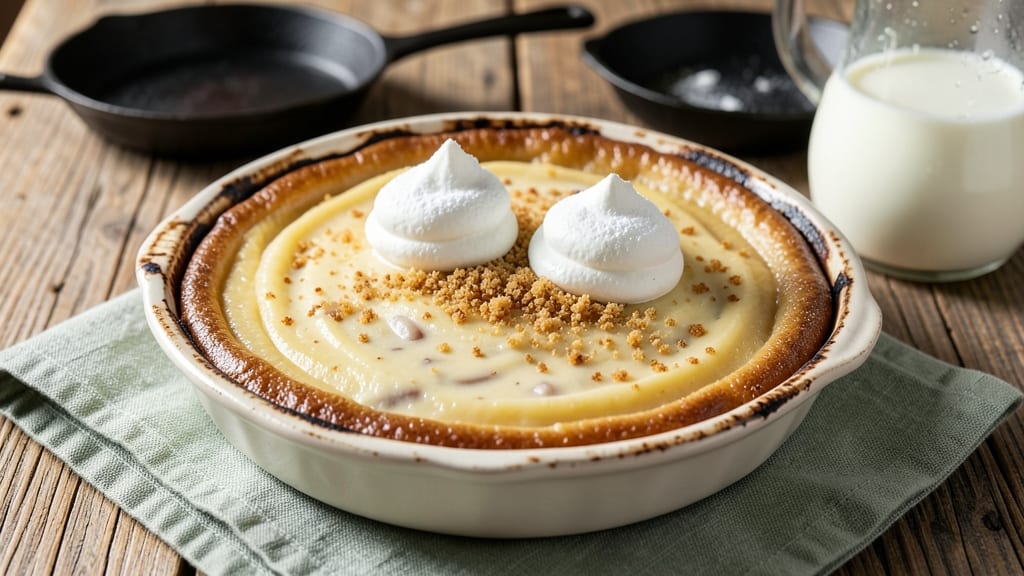
This old-fashioned potato pudding recipe delivers the comforting, velvety texture and warm spices that make it a holiday centerpiece. The secret lies in perfectly boiled potatoes blended with a rich custard base, baked until the edges develop that signature buttery crispness while the center remains tender.
I first made this version during Thanksgiving when my grandmother’s recipe called for an extra hour of baking—until I discovered the trick of broiling at the end for those golden edges.
The beauty of this classic dish is its simplicity: just a few pantry staples transform into a dessert-like side that pairs beautifully with roasted meats or gravy. The blend of cinnamon, nutmeg, and allspice creates a warm, aromatic profile that feels nostalgic yet refined.
Unlike modern versions, this recipe skips shortcuts like instant pudding mix, focusing instead on the slow, satisfying process of blending, baking, and finishing with a caramelized sugar topping.
What you’ll end up with is a dish that’s creamy yet structured, with a crisp exterior that contrasts perfectly against the smooth, spiced interior. The aroma alone will have everyone anticipating dessert, but the first bite proves it’s a main attraction.
This is the kind of recipe that becomes a family tradition—simple enough to make often, yet impressive enough for company.
Serve warm with whipped cream or a drizzle of caramel sauce for an extra touch of indulgence. The best part? Leftovers reheat beautifully, making it ideal for meal prep or holiday gatherings. Let’s get started on creating this timeless classic.
Ingredients for old fashioned potato pudding
Six core ingredients transform into a nostalgic holiday classic with velvety layers and crisp buttery edges.
| Ingredient | Amount | Notes |
|---|---|---|
| Russet Potatoes 🥔 | 3 lb | Yukon Gold or red potatoes preferred |
| Heavy Cream 🥛 | 2 cups | Full-fat for optimal texture |
| Whole Milk 🥛 | 1 cup | Warmed for smooth blending |
| Unsalted Butter 🧈 | ¾ cup | Cold, cubed for even melting |
| Large Eggs 🥚 | 4 whole | Room temperature for best binding |
| Granulated Sugar 🍚 | ½ cup | Light brown sugar for deeper flavor |
| Ground Cinnamon 🌿 | 2 tsp | Freshly ground for aromatic intensity |
| Ground Nutmeg 🌿 | 1 tsp | Freshly grated nutmeg preferred |
| Ground Allspice 🌶️ | ½ tsp | Whole berries toasted for depth |
| Salt 🧂 | 1 tsp | Diamond Crystal kosher preferred |
| Granulated Sugar 🍚 | ¼ cup | For caramelized topping |
| Light Corn Syrup 🍯 | 2 tbsp | For glossy caramel finish |
The potatoes are the foundation—Russet delivers the best starch-to-moisture ratio, but Yukon Gold adds natural sweetness. Buy them fresh, ideally from a local farm stand or Whole Foods produce section where they're handled with care. Avoid pre-sliced bags; whole potatoes stay firm longer. For the spices, Penzeys Spices or bulk bins at specialty markets offer the highest quality ground spices. Freshly grated nutmeg and whole allspice berries toasted in a dry pan elevate this dish from ordinary to extraordinary—worth the extra effort for that authentic holiday aroma. The heavy cream should be full-fat and cold from the refrigerator to prevent premature separation during blending.
Short on Russet potatoes? Red Bliss or fingerlings work beautifully, though they'll yield a slightly denser texture. No heavy cream? Half-and-half with an extra egg yolk maintains richness, though the custard will be slightly lighter. Substituting brown sugar for white in the pudding base adds moisture but reduces caramelization in the topping—use light brown sugar for the best balance. For the caramel topping, honey or maple syrup can replace corn syrup, though the texture will be slightly less glossy. If you're making this ahead, prepare the pudding base up to the baking stage, then refrigerate overnight—it reheats beautifully with a crisp edge that's even more pronounced after chilling.
Store the baked pudding in an airtight container for up to 5 days in the refrigerator, though it's best enjoyed within 3 days for optimal texture. For longer storage, freeze the baked pudding (without the caramel topping) for up to 3 months. Reheat covered at 350°F for 15-20 minutes until warmed through, then broil for 2-3 minutes to restore that signature crisp edge. The caramel topping can be made up to 2 days in advance and reheated gently in the microwave. This dish reheats beautifully, making it perfect for holiday gatherings where you can prepare it ahead and serve it warm throughout the evening.
Why You'll Love This Recipe
- No Peel, No Stress: I’ll admit, I used to dread peeling potatoes—until I realized this recipe works just fine with the skins on. Toss them in boiling water for 15 minutes, drain, and mash while still warm. The skins soften right into the pudding, adding a rustic texture that feels cozy, not fussy.
- Creamy Without the Fuss: Here’s what sold me—the way the heavy cream and whole milk blend into the potatoes creates this velvety, almost custard-like texture. No need for fancy techniques; just whisk in the eggs and butter until it’s silky smooth. That first bite? Pure satisfaction, like a hug in dessert form.
- Holiday or Weeknight: Between us, this pudding is my secret weapon for Thanksgiving leftovers and lazy Sundays. Serve it warm with a sprinkle of nutmeg for a classic feel, or chill it overnight for a creamy breakfast the next morning. The eggs bind it perfectly, so it holds up whether you’re feeding a crowd or just me and my coffee.
- Budget-Friendly Luxury: Russets and eggs are cheap staples, but this tastes like a restaurant dish. I’ve made it stretch for six servings with minimal cost—just adjust the cream if needed. And the leftovers? Even better reheated with a pat of butter. Honestly, it’s the kind of recipe that makes you feel fancy without breaking the bank.
Step-by-step instructions for old fashioned potato pudding
Transform humble russet potatoes into a rich, spiced dessert with layers of velvety texture and caramelized edges.
Prepare the Potato Base
Peel the 3 lb russet potatoes and cut them into even ½-inch cubes. Place them in a large pot and cover with cold water by 2 inches. Add 1 tsp salt and bring to a boil over high heat. Once boiling, reduce to medium-high and cook for 15 minutes until the potatoes are fork-tender with slight resistance remaining.
Drain the potatoes thoroughly in a colander, then return them to the pot. Using a potato masher or wooden spoon, mash until completely smooth with no lumps. Let the mashed potatoes cool slightly while you prepare the custard mixture. The warm potatoes will help emulsify the cream and eggs more easily, creating a silky texture.
Create the Spiced Custard Mixture
In a separate large bowl, whisk together the 2 cups heavy cream, 1 cup whole milk, 0.5 cup granulated sugar, 2 tsp ground cinnamon, 1 tsp ground nutmeg, and 0.5 tsp ground allspice until fully combined. The spices should be evenly distributed throughout the cream mixture, creating a warm aromatic base.
Add the 4 whole large eggs to the spiced cream mixture one at a time, whisking vigorously after each addition. This gradual incorporation prevents the eggs from scrambling. The mixture should be smooth and homogeneous, with no visible streaks of egg yolk remaining. The warm spices will infuse the custard with deep, comforting flavors that define this classic dessert.
Combine and Bake the Pudding
Gently fold the warm mashed potatoes into the custard mixture using a rubber spatula, being careful not to create air pockets. The result should be a thick, velvety batter that coats the back of the spoon. Transfer the mixture to a well-greased 9x13-inch baking dish, spreading it evenly to create a smooth, level surface.
Dot the top with the 0.75 cup unsalted butter, cutting it into small cubes first for even distribution. Bake in a preheated 350°F oven for 45 minutes, until the edges are set and the center still has a slight wobble when gently shaken. The butter will melt into the pudding, creating a rich, buttery texture throughout.
Prepare the Caramel Topping
While the pudding bakes, combine the 0.25 cup granulated sugar and 2 tbsp light corn syrup in a small saucepan. Cook over medium heat, stirring constantly, until the sugar melts and the mixture turns a deep amber color, about 3-4 minutes. Immediately pour this caramel evenly over the hot pudding.
The caramel will bubble and create a glossy, crackly crust as it cools. Return the pudding to the oven for an additional 15 minutes to set the caramel completely. The contrast between the creamy interior and crisp caramelized top is what makes this dessert truly special.
Rest and Serve
Remove the pudding from the oven and let it cool completely at room temperature before refrigerating for at least 4 hours, or preferably overnight. This resting period allows the flavors to meld and the texture to firm up beautifully. When ready to serve, cut into squares and enjoy the perfect balance of spiced custard and buttery caramel.
The pudding should have a smooth, velvety texture with no graininess, and the caramel topping should be firm yet still slightly sticky. Each bite should deliver warm cinnamon-nutmeg flavors with a satisfying contrast between the creamy filling and crisp edges. Serve with whipped cream or a dollop of vanilla ice cream for an extra touch of indulgence.
Pro Tips For Making Old Fashioned Potato Pudding
- Boil Potatoes Until Fork-Tender: Russets should break apart with a fork after boiling—no one likes mushy pudding. I used to pull them out too soon, and the texture suffered. Aim for 12-15 minutes in salted water; they’ll finish cooking in the oven.
- Whisk Eggs Until Ribbon-Thin: Overmixed eggs make pudding dense. Beat them just until the yolks and whites hold a ribbon when the whisk is lifted—no streaks, no lumps. My first batch turned out like glue because I went overboard.
- Skip the Pre-Browning Butter: Nutty browned butter’s great, but it’ll make your pudding taste bitter. Use melted, unsalted butter straight from the fridge—it blends smoother and keeps the flavor pure. (Yes, even if you’re tempted to get fancy.)
- Bake at 350°F, Not Higher: Higher heat = curdled eggs. Stick to 350°F for an even set without scrambling. I learned this after a batch looked like cottage cheese. Cover with foil for the first 40 minutes, then uncover to crisp the top.
Storing and reheating your old fashioned potato pudding
Refrigerator Storage
Store your baked potato pudding in an airtight container lined with parchment paper to prevent sticking. The dish keeps beautifully in the refrigerator for up to 5 days, though the texture remains ideal for 3 days.
I always let it cool completely before storing to avoid condensation. The caramel topping stays crisp if you press plastic wrap directly against it before sealing the container. 🥄
Freezing for Later
For longer storage, freeze the pudding (without the caramel topping) in a single layer on a baking sheet for 1 hour to prevent clumping. Transfer to a freezer-safe bag with all air squeezed out, and store for up to 3 months.
Thaw overnight in the fridge before reheating. The caramel topping can be made fresh or reheated separately in the microwave with 10 seconds of power.
Reheating Perfection
To restore that signature crisp edge, cover the pudding with foil and reheat at 350°F for 15-20 minutes until warmed through. Remove the foil for the final 2-3 minutes to crisp the edges.
For a quick stovetop method, place the pudding in a skillet over low heat for 8-10 minutes, stirring occasionally to distribute heat evenly. The caramel topping will soften slightly but still provide that glossy finish. ✨
Caramel Topping Tips
If reheating the caramel separately, microwave it in 10-second bursts until just melted—overheating makes it grainy. For extra shine, brush the reheated pudding with a little heavy cream before serving. I also like to sprinkle ground cinnamon on top right before serving to enhance the warm spice aroma.
The contrast between the creamy pudding and crisp caramel is what makes this dish unforgettable.
Make-Ahead Strategy
Prepare the pudding base up to the baking stage, then refrigerate overnight. Bake it fresh the next day for a more pronounced crisp edge—the chilled custard responds beautifully to the oven's heat.
This works especially well for holiday gatherings when you want everything ready to serve at the last minute. The flavors actually deepen after chilling, making it taste even more like Grandma's recipe. 💛
Nutrition facts
Frequently asked questions about old-fashioned potato pudding
Can I make this potato pudding without a caramel topping?
The caramel adds that signature crisp contrast, but the pudding is still delicious without it! Simply bake the pudding as directed, then finish with a sprinkle of powdered sugar or a light dusting of cinnamon. The spiced custard alone delivers all the comforting flavors you'd expect from this classic dessert.
Why does my potato pudding turn out grainy?
Graininess usually happens when potatoes aren't fully mashed smooth or when eggs are added too quickly to cold ingredients. Always mash potatoes until completely lump-free and warm them slightly before mixing with the custard. The warm potatoes help emulsify the cream and eggs for that silky texture.
Can I use sweet potatoes instead of russets?
Sweet potatoes will change the flavor dramatically—this recipe relies on the starchy, mild taste of russets for that traditional potato pudding experience. However, if you must substitute, use Yukon Golds for a slightly sweeter (but still classic) version. The texture will be denser but still delicious when baked properly.
How do I prevent the pudding from cracking when baking?
Cracking happens when the pudding cools too quickly. Always bake at 350°F until just set (edges firm, center slightly wobbly), then let it cool gradually at room temperature before refrigerating. For extra insurance, place your baking dish on a wire rack instead of directly on the oven rack to allow air circulation.
What's the best way to serve this as a side dish?
This pudding shines as a warm side with holiday meals—pair it with roasted turkey, ham, or beef. For extra indulgence, serve with a scoop of vanilla ice cream or a drizzle of maple syrup. The warm spices complement savory dishes beautifully, making it feel like dessert while still being hearty enough for a main course.