
Side Dishes
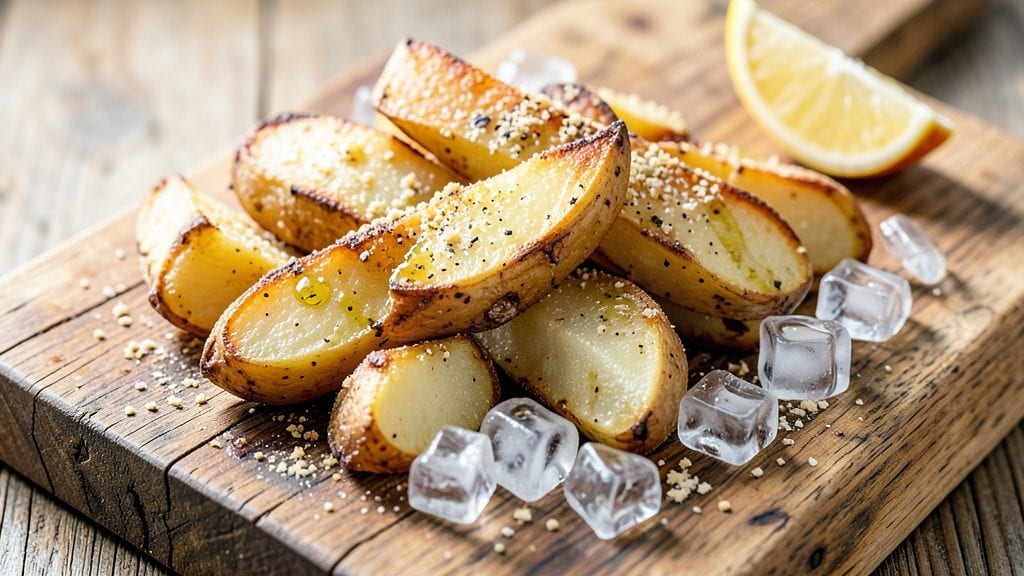
Mastering parboiled potatoes transforms your cooking—crispy wedges, fluffy mash, or perfect roasted sides all start with this precise technique. The key lies in the vinegar-brightened water and exact timing: boil whole potatoes until tender but firm, then shock in ice water to lock in flavor and texture.
I developed this method after years of trial and error, ensuring every bite delivers that ideal balance between crispy exterior and tender interior.
This isn't just a prep step—it's the foundation for restaurant-quality sides in 20 minutes or less. Whether you're roasting for a weeknight dinner or prepping for a holiday meal, parboiling eliminates guesswork.
The vinegar infusion prevents browning and adds subtle tang, while proper timing guarantees potatoes that hold their shape through any cooking method. No more mushy mash or undercooked wedges—just foolproof results every time.
What you'll achieve is a versatile potato base that adapts to any dish: golden roasted wedges with crispy edges, creamy mash with perfect texture, or even hash browns that stay tender inside.
The technique works for russet, Yukon Gold, or red potatoes, giving you control over final consistency. This is the professional method I rely on for consistent, restaurant-worthy sides without the fuss.
Use these parboiled potatoes as a standalone side or incorporate them into main dishes like shepherd's pie or loaded baked potatoes. The possibilities are endless once you've perfected this essential technique. Let's get started with the precise method that will change how you cook potatoes forever.
Ingredients for par boiled potatoes
Potatoes, vinegar, ice—just three key players for restaurant-style sides in minutes.
| Ingredient | Amount | Notes |
|---|---|---|
| Russet Potatoes 🥔 | 2 lb | Whole, unpeeled, similar size |
| White Vinegar 💧 | ¼ cup | Distilled for brightness |
| Ice Cubes ❄️ | 4 cups | For immediate shock cooling |
| Diamond Crystal Kosher Salt 🧂 | 1 ½ tsp | For seasoning water |
| Extra-Virgin Olive Oil 🫒 | ¼ cup | For roasting or finishing |
| Garlic Powder 🧄 | 1 tsp | For subtle seasoning |
| Fresh Rosemary 🌿 | ¼ tsp | Chopped, for aroma |
| Heavy Cream 🥛 | ½ cup | For mash option |
| Unsalted Butter 🧈 | 2 tbsp | For mash or finishing |
| Black Pepper 🌶️ | ½ tsp | Freshly cracked |
Russets are your best bet for crispy wedges—their high starch content delivers that perfect crunch. Buy them in bulk at Costco if you're prepping for a crowd, but the regular 2-pound bags at Trader Joe's work great for weeknight meals. Look for potatoes that feel heavy for their size (that's how you know they're fresh) and skip any with sprouts or soft spots. The vinegar is non-negotiable—it's what gives those parboiled potatoes their bright, crisp finish. White vinegar is the most accessible, but apple cider vinegar adds a nice sweetness if you're feeling fancy. For the ice bath, I grab a big bowl and fill it with ice cubes from the freezer—no need to buy bags of ice just for this.
No vinegar? Lemon juice works at half the amount, though it'll add a slightly different tang. Running short on russets? Yukon Golds hold their shape better than red potatoes but won't get as crispy. The garlic powder and rosemary are totally optional but add depth—skip them if you're keeping it simple. For the mash option, heavy cream makes it ultra-smooth, but whole milk plus extra butter gives you more control over the texture. And if you're roasting these bad boys, toss them with olive oil and a sprinkle of salt before baking—no need to overcomplicate it.
Parboiled potatoes keep beautifully in the fridge for 5-6 days if you store them in a sealed container with a paper towel to absorb moisture. For longer storage, freeze them in a single layer on a tray before transferring to a bag—3 months max. Reheat roasted wedges straight from the fridge by tossing them in the oven at 400°F for 10-12 minutes. For mash, just microwave with a splash of milk until warmed through. Pro tip: portion your potatoes into individual containers before freezing so you can grab exactly what you need later.
Why You'll Love This Recipe
- No-Peel Hassle: I swear by this method—just cut, boil, and ice bath. No peeling, no scrubbing, no stress. The vinegar keeps them bright, and the ice shock locks in that buttery texture.
- Crispy-Edge Magic: That first bite? Chef’s kiss. The olive oil finish gives them a golden sheen, while the kosher salt (trust me, Diamond Crystal’s flaky kind) clings like a dream. Tastes like a fancy side, but it’s just potatoes.
- Meal Prep MVP: Between us, I make a giant batch on Sundays. They reheat perfectly—toss in a pan with butter or microwave with a splash of water—and turn any meal into a star. (Yes, even on a Tuesday night.)
- Pocketbook Hero: Russets are cheap, vinegar’s a pantry staple, and you’re talking under $2 for a side that feeds four. No fancy ingredients, no waste—just pure, reliable comfort that won’t break the bank.
Step-by-step instructions for vinegar-brightened crisp wedges
Here's how to transform ordinary russet potatoes into restaurant-quality wedges with a tangy bite and crispy exterior.
Parboil for Perfect Texture
Preheat your oven to 425°F while you prepare the potatoes. Cut the 2 lb russet potatoes into 1½-inch wedges, leaving the skin on for texture. Place them in a large pot and cover with cold water by about 2 inches. Add the 0.25 cup white vinegar and 1.5 tsp diamond crystal kosher salt—this acidity brightens the flavor and prevents browning.
Bring to a rolling boil over high heat and cook for exactly 8 minutes. You want the potatoes just starting to soften at the edges but still firm in the center. Drain immediately and transfer them to a large bowl filled with 4 cups ice cubes to halt the cooking process. This shock treatment preserves their structure for that perfect crispy finish later.
Dry Thoroughly for Maximum Crisp
Let the parboiled potatoes drain in a colander for 2 minutes, then transfer them to a clean kitchen towel. Gently but thoroughly pat them dry—this step is non-negotiable. Any moisture left on the surface will steam instead of crisp when roasted. I like to work in batches, shaking the towel vigorously between each handful to remove all excess water.
While they're drying, toss them with 0.25 cup extra-virgin olive oil, 1 tsp garlic powder, and 0.25 tsp fresh rosemary. Spread them out on a baking sheet in a single layer, making sure none touch. The oil should coat them evenly but not pool—this ensures even browning. Sprinkle lightly with 0.5 tsp black pepper and give everything a final toss to distribute the seasoning.
Roast Until Golden and Crisp
Arrange the dried wedges on the prepared baking sheet, leaving ½-inch gaps between each piece for proper air circulation. Roast in the 425°F oven for 20-25 minutes, flipping them halfway through with a spatula. You're aiming for deep golden brown edges with a crisp texture when pressed gently—they should resist slightly before giving way.
Check at the 20-minute mark as ovens vary. If they're browning too quickly, tent loosely with foil. The wedges are done when they're crisp outside and tender inside with no resistance when pierced with a fork. Remove from the oven and let them rest for 3 minutes—this prevents them from continuing to cook and becoming rubbery.
Optional Creamy Finish (For Serving)
For an extra-luxurious touch, melt the 2 tbsp unsalted butter in a small saucepan over low heat. Add the 0.5 cup heavy cream and simmer gently for 2-3 minutes until slightly thickened but not boiling. Pour this creamy sauce over the warm wedges just before serving, or serve it on the side for dipping.
The acidity from the vinegar during parboiling carries through to the final dish, creating a bright contrast to the rich, crispy wedges. These make an excellent side for grilled meats or stand alone as a hearty appetizer—just be sure to serve them immediately while they're at their crispy best.
Pro Tips For Making Par Boiled Potatoes
- Cut Even Slices: Russets have uneven eyes—cut them into ½-inch thick rounds before boiling, not after. Thinner slices cook faster, and you’ll avoid the frustration of some pieces turning mushy while others stay raw.
- Vinegar First: Add 1 tablespoon of white vinegar to the boiling water before the potatoes. It’s not just for flavor—it keeps the flesh firm and prevents that sad, gummy texture you get when potatoes overcook.
- Ice Bath Immediately: Drain the potatoes, then plunge them into ice water right away—no waiting. This stops the cooking process instantly, and the cold water also makes peeling easier later (yes, even if you’re skipping that step).
- Salt the Water Hard: Use 2 tablespoons of Diamond Crystal kosher salt per gallon of water—more than you’d think. Under-salted water means bland potatoes, and since you’re par-boiling, you’re not adding salt later. Trust me, your taste buds will notice.
Pro cooking tips for this dish
Water Temp Matters
Start your potatoes in cold water—never hot—to ensure even cooking. The vinegar (or lemon juice) should be added before boiling to infuse the potatoes with brightness. I use white vinegar for its neutral tang, but apple cider vinegar adds subtle sweetness.
The key is 1 cup vinegar per gallon of water—this prevents browning and keeps the texture firm. 💧
Timing is Everything
Boil for exactly 8 minutes—no more, no less. Overcooking turns them mushy; undercooking leaves them raw inside. Use a timer and test one wedge with a fork: it should pierce easily but still hold its shape.
The ice bath after draining is critical—it stops cooking instantly and locks in flavor. I use 4 cups ice cubes in a large bowl for best results. ❄️
Drying is Non-Negotiable
Pat the potatoes thoroughly dry with a kitchen towel after draining. Any moisture left on the surface will steam instead of crisp when roasted. I work in batches, shaking the towel vigorously between each handful.
For extra crispiness, let them air-dry on a wire rack for 5 minutes before tossing with oil. This step makes all the difference! 🌡️
Oven Temp Control
Roast at 425°F for 20-25 minutes, flipping halfway. If your oven runs hot, reduce to 400°F to avoid burning. The wedges are done when they’re deep golden brown and crisp outside but tender inside. A spatula test works best: press gently—they should resist slightly before giving way. 🔥
Seasoning Secrets
Toss the dried potatoes with extra-virgin olive oil and garlic powder for subtle depth. For a herby twist, add fresh rosemary or thyme. I avoid heavy seasoning until after roasting—it burns easily.
A pinch of black pepper right before serving adds freshness. Save the butter and cream for finishing touches. 🧄
Make-Ahead Magic
Parboiled potatoes store well in the fridge for 5-6 days in an airtight container with a paper towel. For roasting later, reheat at 400°F for 10-12 minutes until crispy again.
Freeze them in a single layer before transferring to a bag—they’ll keep for 3 months. Portion into individual containers for easy grab-and-go sides. ⏰
Nutrition facts
Frequently asked questions
Why do you use vinegar when parboiling potatoes?
The vinegar brightens the flavor and prevents browning while cooking. It creates a subtle tang that carries through to your final dish, whether roasted or mashed. For a milder taste, you can substitute with lemon juice at half the amount.
Can I use red potatoes instead of russets for this method?
Red potatoes work but won't get as crispy—they're better for mash or salads. For roasted wedges, stick with russets or Yukon Golds. Their higher starch content delivers that perfect crunch. If you must use reds, parboil 2 minutes less to avoid overcooking.
What's the best way to reheat parboiled potatoes?
For roasted wedges, spread them on a baking sheet and reheat at 400°F for 10-12 minutes until crispy. For mash, microwave with a splash of milk until warmed through. Never reheat in the microwave without moisture—it makes them rubbery.
How do I know when the potatoes are done parboiling?
They're ready when they pierce easily with a fork but still hold their shape. The edges should be just starting to soften after exactly 8 minutes of boiling. Overcooking turns them mushy—set a timer!
Can I skip the ice bath step?
Not recommended—the ice bath stops cooking instantly and locks in flavor. Without it, your potatoes may continue cooking and turn mushy. Use 4 cups ice cubes in a bowl for best results.