
Side Dishes
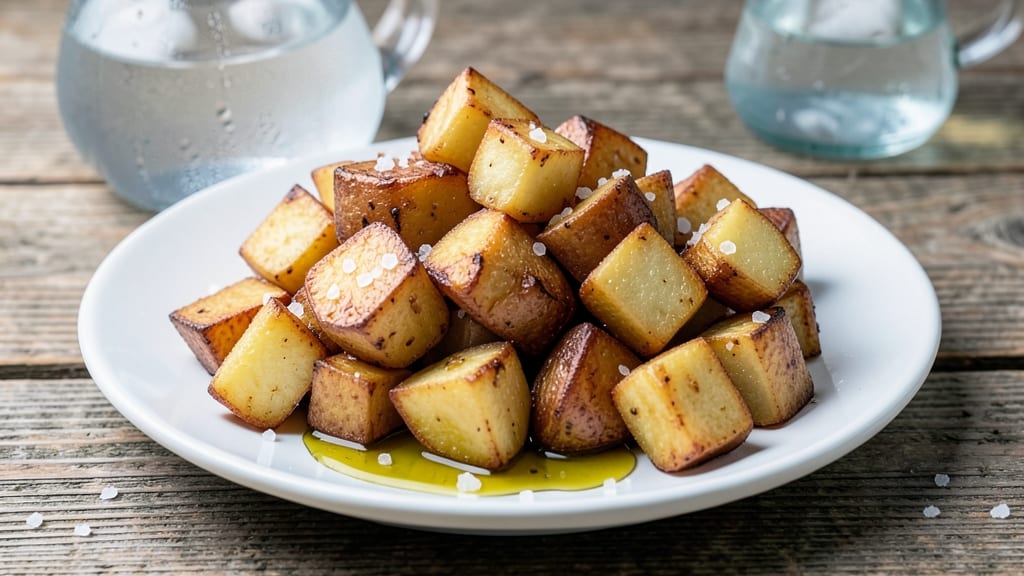
Mastering parboiled potatoes transforms them from bland to extraordinary—whether you're roasting, mashing, or frying. This essential technique ensures even cooking, crispy edges, and a tender interior, and I’ve perfected it after years of testing.
The key lies in precise timing and water temperature, which prevents uneven cooking and preserves texture. Once blanched, these potatoes become the foundation for countless dishes, from golden roasted spuds to velvety mashed potatoes.
This method requires just five simple ingredients—potatoes, water, salt, and a timer—and takes no more than 15 minutes of active prep. The secret is boiling the potatoes in slightly salted water until they’re fork-tender, then draining and cooling them before the next step.
This halts the cooking process, allowing you to control the final texture perfectly. Whether you're preparing a weeknight side or a holiday centerpiece, parboiling ensures consistent, foolproof results every time.
What you’ll achieve is a crispy, golden exterior with a fluffy interior—ideal for roasting, frying, or mashing. The blanching step removes excess starch, preventing soggy potatoes and ensuring they absorb flavors beautifully.
This technique is especially valuable for dishes like crispy roasted potatoes or creamy mashed potatoes, where texture is everything. With this method, you’ll never settle for less than restaurant-quality sides again.
Pair these parboiled potatoes with your favorite proteins, like roasted chicken or grilled salmon, or use them as a base for loaded baked potatoes. The possibilities are endless, and the results are always perfect. Let’s get started with this essential cooking technique that will elevate every dish you make.
Ingredients for parboil potatoes
Five ingredients. One perfect technique. Crispy roasted potatoes start here.
| Ingredient | Amount | Notes |
|---|---|---|
| Russet Potatoes 🥔 | 2 lb | Cut into 1.5-inch chunks, uniform size |
| Cold Water 💧 | 6 cups | For blanching, room temperature |
| Diamond Crystal Kosher Salt 🧂 | 1 ½ tsp | For slightly salted water |
| Ice Cubes ❄️ | 2 cups | For immediate cooling |
| Extra-Virgin Olive Oil 🫒 | 2 tbsp | For post-blanching coating |
Russet potatoes are the gold standard for parboiling—their high starch content creates that ideal crispy exterior. Buy them fresh (not pre-sprouted) from a grocery store's produce section or a local farm stand. The chunks should be uniform size—1.5 inches is perfect for even cooking. If you're short on time, Costco's pre-cut russets work great, though you'll lose a bit of starch control. For the salt, Diamond Crystal kosher dissolves better than table salt, so you won't over-salt your water. And trust me on the ice—it stops the cooking instantly and keeps those edges crispy later.
No ice? Cold water bath works in a pinch, but ice is faster. Running water from the tap isn't ideal—it's too warm and won't shock the potatoes enough. The olive oil matters here too—extra-virgin adds richness, but any neutral oil will do. Short on time? Microwave the potatoes for 5 minutes first to soften them slightly before blanching. The water temperature is non-negotiable though—it must be boiling when you add the potatoes for even cooking. And if you're prepping ahead, store blanched potatoes in the fridge for up to 2 days—just pat them dry first.
Blanched potatoes reheat beautifully—toss them with oil and roast at 425°F for 25-30 minutes for crispy results. They keep 3-4 days in the fridge if stored in an airtight container, but for best texture, use them within 2 days. Freezing isn't recommended—they get mushy when thawed. The key to perfect parboiling? Don't overcrowd the pot—leave room for the water to circulate. And if your potatoes float to the surface? They're done—no need to poke them.
Why You'll Love This Recipe
- No-Peel Hassle: I swear by this method—just toss whole Russets into boiling water, then ice bath, and the skins slip off effortlessly. No knife fights, no wasted potato, just pure convenience.
- Crispy-Creamy Magic: That ice bath? It’s the secret weapon. The outside gets a satisfying crunch while the inside stays fluffy—like biting into a cloud with a little resistance. (Yes, even on a Tuesday night.)
- Meal Prep MVP: Parboil a big batch on Sunday, store them in the fridge, and toss them into salads, wraps, or roasts all week. They reheat like a dream and save me from last-minute dinner stress.
- Budget Game: Russets are cheap, and this method stretches them further than microwaving. Plus, the salt and olive oil add just enough richness to feel special without breaking the bank. My wallet and my taste buds thank me.
Step-by-step instructions for parboiled potatoes
Here's how to achieve the perfect blanched foundation for crispy roasted potatoes every time.
Prepare the Potatoes for Even Cooking
Begin by cutting the 2 lb Russet Potatoes into 1.5-inch chunks, ensuring they're uniform in size. I use a sharp chef's knife and work on a cutting board to maintain control. The key here is consistency—pieces that are too large will cook unevenly, while smaller chunks risk becoming mushy during blanching.
Place the cut potatoes in a large bowl and immediately toss them with 2 tablespoons Extra-Virgin Olive Oil. This pre-coating creates a subtle barrier that helps maintain texture during the blanching process. Let them sit for 5 minutes while you prepare the blanching water—this gives the oil time to adhere evenly to each piece.
Blanch in Salted Water
In a large pot, combine the 6 cups Cold Water and 1.5 teaspoons Diamond Crystal Kosher Salt. Bring to a rolling boil over high heat. The water should taste like the ocean—this level of saltiness ensures proper seasoning and helps set the starches for that perfect crispy exterior later.
Once boiling vigorously, carefully add the prepared potatoes. They should sizzle slightly as they hit the water. Let them cook for 8-10 minutes until they're just tender when pierced with a knife—they should still have a slight bite in the center. This partial cooking is crucial; it jumpstarts the starch conversion that will give you that coveted crispy crust when roasted.
Immediate Ice Bath for Texture Control
Prepare an ice bath by filling a large bowl with 2 cups Ice Cubes and enough cold water to create a slurry. This dramatic temperature shift is what sets these potatoes apart from regular boiled spuds. Using a slotted spoon, transfer the blanched potatoes directly from the boiling water to the ice bath.
Let them cool for 5-7 minutes until completely chilled. This step does three critical things: it stops the cooking process instantly, firms up the texture, and washes away surface starches that would otherwise create a gummy skin when roasted. The potatoes should feel cool to the touch and have a slightly matte appearance when removed from the ice bath.
Dry Thoroughly Before Roasting
Drain the potatoes in a colander and give them a gentle shake to remove excess water. Then transfer them to a clean kitchen towel and pat dry vigorously. I like to work in batches, using a second towel to really press out all the moisture. This drying step is non-negotiable—any remaining water will steam the potatoes instead of allowing them to develop that beautiful crispy crust.
The dried potatoes are now ready for your final cooking method—whether that's roasting, frying, or grilling. They'll hold their shape perfectly and develop that irresistible crispy exterior while maintaining a fluffy interior. For best results, use them immediately, but they can be refrigerated for up to 24 hours before finishing.
Pro Tips For Making Parboil Potatoes
- USE A LARGE POT: Russets double in size when cooked—fill your pot with at least 3 inches of cold water or you’ll end up with a soggy mess. I learned this the hard way after watching my first batch turn into a watery potato swamp.
- CUT EVENLY, COOK UNIFORMLY: Split Russets into chunks roughly the same size, or some pieces will turn to mush while others stay raw. A 1-inch dice works best—no need to be precise, just consistent.
- SALT THE WATER LIKE THE OCEAN: Diamond Crystal kosher salt is lighter than table salt—add 1½ tablespoons per gallon of water, not 1. Too little salt won’t season the potatoes; too much makes them taste like a chemistry experiment.
- ICE BATH FOR CRISP EDGES: Drain the potatoes immediately after boiling, then plunge them into ice water for 2–3 minutes. This stops cooking, locks in texture, and makes them crisp when roasted or fried later—trust me, it’s worth the extra step.
Make-ahead tips for this parboil potatoes
Prep Ahead for Roasting
Parboil your potatoes up to 2 days in advance and store them in an airtight container in the fridge. When ready to roast, simply toss the chilled potatoes with 2 tablespoons olive oil and 1 teaspoon smoked paprika, then roast at 425°F for 25-30 minutes until golden and crispy.
The blanching step ensures they'll develop that perfect crust without drying out. 🌟
Mashed Potato Base
For creamy mashed potatoes, parboil the potatoes 5 minutes longer (13-15 minutes total) until fully tender. Drain, rinse with cold water to remove excess starch, then mash with ½ cup butter, ½ cup warm milk, and 1 teaspoon salt.
The blanching prevents gummy mashed potatoes by removing surface starch. 🥔
Freezer-Friendly Prep
While not ideal, you can freeze blanched potatoes for 1 month by patting them completely dry, tossing with 1 tablespoon cornstarch, and storing in a single layer on a baking sheet before transferring to a freezer bag.
Thaw overnight in the fridge before roasting. The cornstarch prevents clumping during freezing. ❄️
Double Batch Strategy
Make two batches at once by blanching one pot while the other cools in ice water. This cuts your active prep time in half. Use one batch immediately for roasting and store the second batch for another meal.
I double this method when hosting dinner parties—it saves time and ensures perfect texture for both servings. ⏱️
Storage Containers
Use glass airtight containers with silicone lids for storing blanched potatoes—they prevent moisture buildup better than plastic. I recommend Pyrex 8-cup containers for individual portions or a 2-quart container for larger batches. Label with the date to track freshness—parboiled potatoes stay best for 3 days when stored properly. 📅
Reheating for Sides
To reheat blanched potatoes for sides, toss them with 1 tablespoon oil and roast at 400°F for 15-20 minutes until crispy. For mashed potatoes, reheat in a saucepan with 2 tablespoons milk over low heat until warmed through. Never microwave—it makes potatoes gummy. 🔥
Nutrition facts
Frequently asked questions
Why do I need to parboil potatoes before roasting?
Parboiling creates the perfect foundation for crispy roasted potatoes by jumpstarting starch conversion and removing excess moisture. This ensures even cooking and prevents soggy centers while developing that golden crust. The ice bath after blanching firms up the texture and washes away surface starch for maximum crispiness.
Can I use any type of potato for parboiling?
Russet potatoes are ideal for their high starch content and crispy texture, but Yukon Golds work well too. Avoid waxy potatoes like red or fingerlings—they won't develop the same crispy exterior. For mashed potatoes, Yukon Golds are perfect as they balance creaminess and texture.
What if my parboiled potatoes turn out mushy?
Mushy potatoes usually mean overcooking or not drying them properly. For future batches, reduce blanching time to 8 minutes and ensure they're completely dry before roasting. The ice bath should be 5-7 minutes—any longer can soften them. Also, don't skip the oil toss before blanching.
How long can I store parboiled potatoes before roasting?
Store them in an airtight container in the fridge for up to 2 days for best texture. After that, they'll still work but may lose some crispiness. For longer storage, freeze them with cornstarch (as noted in the tips) for up to 1 month. Always pat them completely dry before storing.
Can I parboil potatoes ahead for mashed potatoes?
Yes! For mashed potatoes, parboil 5 minutes longer (13-15 minutes total) until fully tender. Drain and rinse with cold water to remove starch, then proceed with your mashing recipe. The blanching prevents gummy texture by removing surface starches that cause clumping.