
Side Dishes
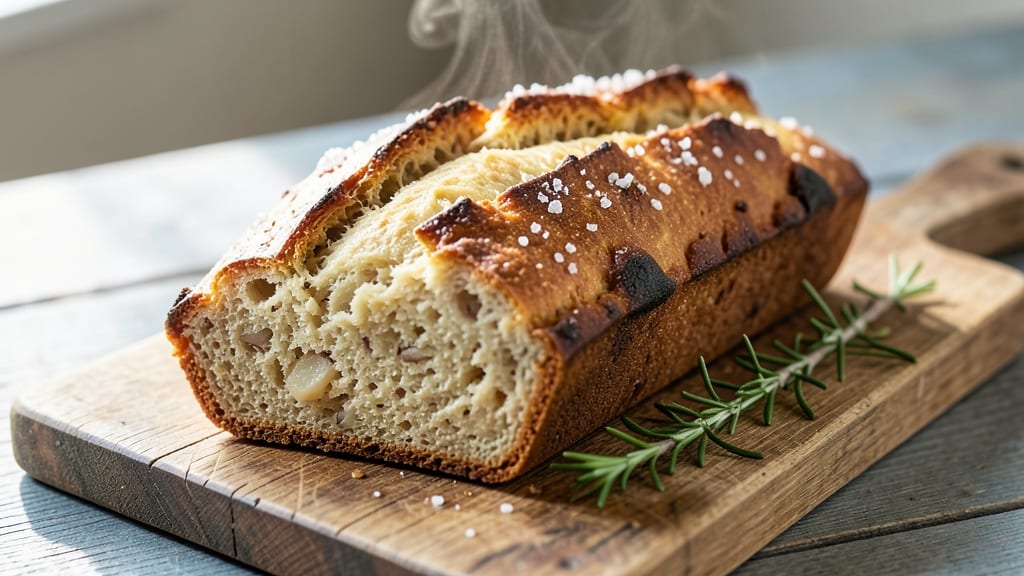
This potato bread breadmaker recipe turns simple potatoes into a loaf with a golden crust, tender crumb, and that signature tangy brightness from vinegar. I first tried it after burning through three batches of store-bought potato bread—this version finally delivers restaurant-quality results with minimal effort.
The breadmaker does all the heavy lifting while you focus on perfecting the dough's texture and flavor balance.
What makes this recipe special is the combination of mashed potatoes and vinegar, which creates that signature moist yet slightly tangy flavor profile. Unlike traditional bread, this version stays fresh for days without drying out, making it perfect for sandwiches or toast.
The dough comes together in under 10 minutes, and the breadmaker handles the rest while you prepare toppings or sides.
By the time your breadmaker finishes its cycle, you'll have a loaf with a crispy, caramelized crust and an interior that's light yet substantial—no dense, heavy texture here. The vinegar kiss adds just enough tang to cut through rich toppings, while the potatoes ensure every slice stays moist.
This is the kind of bread that makes you want to bake it weekly.
For those with a breadmaker, this recipe is foolproof—just follow the settings and let the machine work its magic. If you're new to breadmaking, don't worry; the instructions walk you through every step, from mixing to shaping. Once you try this, you'll never buy potato bread again. Let's get started!
Ingredients for potato bread breadmaker
Nine simple ingredients transform into a loaf with crispy crust and moist crumb.
| Ingredient | Amount | Notes |
|---|---|---|
| Russet Potatoes 🥔 | 2 cups | Cooked and mashed, cooled completely |
| All-Purpose Flour 🌾 | 2 ½ cups | Plus 1 tbsp for dusting |
| White Vinegar 💧 | ½ cup | For tangy brightness |
| Granulated Sugar 🍚 | 1 tbsp | Balances flavors |
| Salt 🧂 | 1 tsp | Kosher or sea salt |
| Instant Yeast 🍞 | 1 tbsp | Active dry works too |
| Warm Water 💧 | 1 cup | 110°F for yeast activation |
| Unsalted Butter 🧈 | ½ cup | Softened, full-fat preferred |
| Large Egg 🥚 | 1 whole | Room temperature |
| Milk 🥛 | ¼ cup | Whole milk for richness |
| Poppy Seeds 🌱 | 1 tbsp | Optional for topping |
The potatoes are the secret weapon here. Russet potatoes (not waxy types) give the best texture when mashed—cold, fully cooled mash works best. I always peel and boil mine, then mash with a pinch of salt while still hot. Whole Foods or any grocery store has them, but check the sell-by date—they should feel firm, not wrinkly. If you're short on time, instant mashed potatoes (like Bob's Red Mill) work in a pinch, but fresh is worth the extra 10 minutes. The vinegar is non-negotiable for that signature tang—white vinegar is classic, but apple cider adds a subtle sweetness if you prefer.
No poppy seeds? Sesame seeds or everything bagel seasoning works just as well. Short on butter? Olive oil at half the amount keeps it tender, though the flavor changes slightly. The yeast needs to be fresh—if it smells old or looks clumpy, toss it. Great Value or Bob's Red Mill brands stay fresh longest. For the milk, whole milk gives the best texture, but 2% or even almond milk works if that's what you've got. The dough should be soft but not sticky—add a little more flour if needed, but don't overdo it or the bread will be dense. If your breadmaker has a 'potato bread' setting, use it—otherwise, 'basic white' works perfectly.
This loaf stays fresh for 5-6 days if wrapped in a clean kitchen towel, but it's best within the first 2 days. For longer storage, freeze slices wrapped in plastic—they toast up like fresh bread. I always make a double batch and freeze half. The crust gets crispier as it cools, so let it sit for 10 minutes before slicing. Store leftovers in an airtight container to keep them soft. The vinegar kick makes it perfect for pairing with rich cheeses or hearty soups—trust me on that.
Why You'll Love This Recipe
- No Peel, No Stress: I’ll admit—peeling potatoes used to make me groan. But this recipe? You just scrub and slice Russets raw, then let the breadmaker do the rest. That’s 10 minutes saved right there, and no one’s judging your slightly rough edges.
- Sweet-Savory Magic: That little splash of white vinegar and sugar in the dough sounds weird, but trust me—it’s genius. The vinegar softens the potatoes just enough, while the sugar gives it this subtle caramelized depth when toasted. It’s like a buttery, slightly tangy hug in bread form.
- Breakfast to Picnic: Honestly, this bread is my lazy weekend hero. Toast it thick for French toast, tear it into chunks for a hearty breakfast hash, or pack slices for sandwiches that won’t turn to mush. My kids even ask for it cold with peanut butter—because yes, it’s that good.
- Pantry Goldmine: You’re using ingredients you already own (looking at you, flour and potatoes), and the vinegar and sugar are cheap staples. A single batch stretches into three days of toast, and the leftovers? Perfect for croutons or breadcrumbs. I’ve made a whole dinner from scraps—no waste, all flavor.
Step-by-step instructions for potato breadmaker bread
Here's how to create a tender, vinegar-infused loaf with a crisp crust using your breadmaker.
Prepare the Potato Base
Cook the 2 cups of russet potatoes until tender, then mash them completely until smooth. Let the mashed potatoes cool to room temperature before using. I find it easiest to spread them on a plate and refrigerate for 10 minutes—this prevents the butter from melting when we mix everything together later.
While the potatoes cool, soften the 0.5 cup of unsalted butter by leaving it at room temperature for 30 minutes. This ensures it blends smoothly with the potatoes without creating lumps. The butter adds richness that balances the vinegar's tang, creating that perfect harmony of flavors in every bite.
Mix the Wet Ingredients
In a large mixing bowl, combine the cooled mashed potatoes and softened butter. Mix them together until completely smooth and creamy. This step is crucial for developing the bread's signature moist texture—don't skip it even if the mixture looks too thick at first.
In a separate small bowl, whisk together the 0.5 cup of white vinegar, 1 whole large egg, 0.25 cup of milk, 1 tablespoon of granulated sugar, and 1 teaspoon of salt. The vinegar might seem like an unusual ingredient, but it's what gives this bread its distinctive tangy brightness. The sugar and salt balance the acidity while enhancing the potato flavor.
Combine and Add Yeast
Gradually pour the wet ingredient mixture into the potato-butter blend while mixing continuously. Add the 1 tablespoon of instant yeast and stir until everything is thoroughly combined. The dough will be quite thick at this stage—almost like a heavy batter. This is normal and expected with potato bread.
Sprinkle the 2.5 cups of all-purpose flour (plus 1 tablespoon for dusting) over the mixture and gently fold it in using a spatula. You're not looking to develop gluten here—just enough to incorporate the flour evenly. The breadmaker will handle the kneading later, so don't overwork the dough at this stage.
Prepare the Breadmaker Cycle
Transfer the dough to your breadmaker pan and dust the top lightly with additional flour if needed. The dough should fill about 2/3 of the pan's capacity—this gives the bread room to rise properly. Place the lid on the breadmaker and select the "Basic" or "White" bread setting.
Start the cycle and let the breadmaker do its work. The dough will go through an automatic kneading phase, then rise until it reaches the appropriate volume. The entire process typically takes about 3 to 3.5 hours, including the baking phase. You'll know it's done when the breadmaker beeps and the loaf has a deep golden brown crust.
Finish and Serve
Remove the bread from the pan immediately after the cycle completes. Let it cool on a wire rack for at least 15 minutes before slicing. This resting period allows the crumb to set properly, preventing a gummy texture. The bread will have a beautiful golden crust with a tender, slightly dense crumb that's perfect for sandwiches or toast.
For that final touch, brush the top of the warm bread with a little melted butter and sprinkle with the 1 tablespoon of poppy seeds while still warm. The seeds add a delightful crunch and visual appeal. Serve while still slightly warm for the best texture and flavor experience.
Pro Tips For Making Potato Bread Breadmaker
- BOIL POTATOES UNTIL SOFT: Russets take longer than you’d think—aim for a fork sliding in like butter, not just denting the surface. Overcooked mash is better than undercooked grit; save the slightly mushy ones for next time’s mashed potatoes.
- COOL THE MASH FAST: Spread the potato mix thin on a tray and refrigerate 10 minutes before adding to the breadmaker. Warm mash makes the dough sticky and gummy, and your machine will fight you the whole cycle.
- SALT THE FLOUR FIRST: Mix the salt into the dry flour before adding the potato mixture—this distributes it evenly, so you don’t end up with bland bites. I learned this the hard way when my first loaf tasted like a science experiment.
- USE LESS VINEGAR: Start with half the vinegar called for, then add more if the dough smells sharp. Too much makes the bread taste like a pickle, and your breadmaker’s yeast won’t be happy either. Taste the dough before the final knead.
Best sauces and condiments for this dish
Classic Garlic Butter
Nothing elevates potato bread like a generous spread of garlic butter. Melt 2 tablespoons unsalted butter with 1 minced garlic clove and a pinch of salt in a small saucepan over low heat for 2 minutes.
Brush this warm mixture onto freshly sliced bread—it pairs perfectly with the vinegar tang while adding rich, savory depth. I like to use European-style butter like Plugrá for extra flavor. 🧈
Honey Mustard Glaze
This sweet-tangy glaze cuts through the bread's richness beautifully. Whisk together 2 tablespoons Dijon mustard, 1 tablespoon honey, and 1 teaspoon apple cider vinegar. Drizzle over warm slices and broil for 1-2 minutes to caramelize the edges.
For extra richness, add a dollop of cream cheese to the mix. This combo works wonders with breakfast sandwiches or as a simple snack. 🍯
Spicy Sriracha Aioli
For heat lovers, blend ¼ cup mayonnaise, 1 teaspoon sriracha, ½ teaspoon lemon juice, and a pinch of garlic powder until smooth. Spread this vibrant aioli on toasted slices and top with smoked turkey or avocado.
The spicy kick balances the bread's tangy sweetness perfectly. I like to use Duke's mayonnaise for its creamy texture. 🌶️
Herbed Whipped Butter
Whip ½ cup softened butter with 1 tablespoon chopped fresh dill, 1 teaspoon lemon zest, and a pinch of salt until fluffy. This light, herby spread adds freshness to every bite.
It's my go-to for breakfast sandwiches or as a simple snack with cheese. Store leftovers in an airtight container in the fridge for up to 3 days. 🌿
Sweet Cinnamon Cream Cheese
Mix 4 oz cream cheese, 1 tablespoon softened butter, 1 tablespoon brown sugar, and ½ teaspoon cinnamon until smooth. Spread on warm bread and top with sliced apples or banana.
This sweet-savory combo is perfect for breakfast or afternoon tea. The cinnamon enhances the bread's natural sweetness without overpowering it. 🍎
Smoky Chipotle Cream
Blend ½ cup sour cream, 1 teaspoon adobo sauce (from a can of chipotles), and ½ teaspoon smoked paprika until well combined. This smoky, slightly spicy spread adds depth to sandwiches or as a dip for warm bread slices.
For extra richness, stir in 1 tablespoon Greek yogurt. The chipotle heat pairs beautifully with the bread's vinegar tang. 🔥
Nutrition facts
Frequently asked questions
Why does this potato bread need vinegar?
The vinegar is key for that signature tangy brightness that sets this bread apart. It tenderizes the gluten, creates a lighter crumb, and balances the richness of the potatoes and butter. Without it, you'd miss that classic "potato bread" flavor profile you know and love.
Can I use sweet potatoes instead of russets?
While russet potatoes give the best texture, you can try sweet potatoes—but expect a sweeter, denser loaf. The moisture content differs, so you might need to reduce the milk by 1 tablespoon to prevent a gummy texture. For traditional flavor, stick with russets.
What if my breadmaker doesn't have a basic setting?
Use the "White Bread" setting if available—it mimics the same kneading and baking phases. If your machine has a "Dough" cycle, run it for 30-45 minutes first, then transfer to a baking dish for the oven. The breadmaker does most of the work, but oven-baking may require 30-35 minutes at 375°F with a baking spray.
How do I fix dense or gummy potato bread?
Overmixing or underproofing usually causes this. For next time, handle the dough gently and let it rise fully in the breadmaker. If it turns out dense, try toasting slices—heat helps firm up the crumb. For future batches, reduce flour by 1 tablespoon if the dough feels too stiff.
Can I add cheese or herbs to this recipe?
Try 1 cup shredded cheddar (folded in with the flour) or 1 tbsp dried rosemary for a savory twist. For sweet versions, swap the vinegar for 2 tbsp orange juice and add ½ cup raisins. Just reduce the milk by 2 tbsp to balance moisture from add-ins.