
Side Dishes
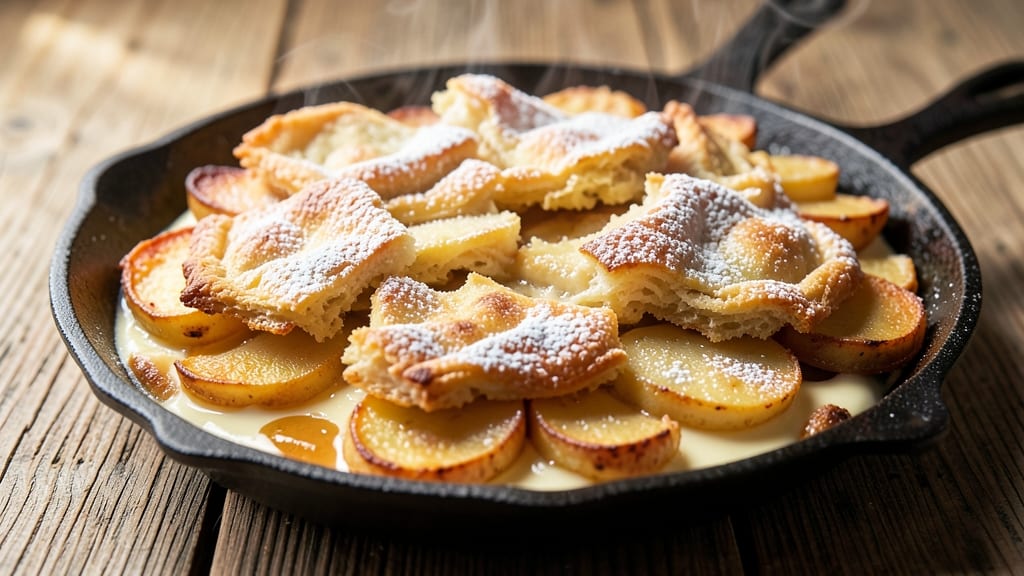
This potato cobbler recipe delivers comfort in every bite—a golden, buttery crust blanketing warm, spiced potato filling that tastes like home. The secret lies in the crust's flaky layers and the filling's perfect balance of tender potatoes and aromatic spices.
I developed this version after years of experimenting, ensuring it's foolproof for beginners while delivering restaurant-quality results.
What sets this recipe apart is the 30-minute prep time and 45-minute bake, making it ideal for weeknight dinners or holiday gatherings. The crust stays crisp while the filling remains soft and flavorful, thanks to a precise blend of butter, flour, and a touch of sugar.
Every ingredient plays a role—from the creamy potatoes to the warm cinnamon and nutmeg that infuse the filling with cozy warmth.
By the time it emerges from the oven, you'll have a perfectly golden cobbler with a tender, spiced filling beneath a buttery crust that cracks just enough to reveal the steamy goodness inside.
The aroma alone will draw everyone to the table, and the first bite delivers that satisfying contrast of textures and flavors.
Serve it warm with vanilla ice cream or a dollop of whipped cream for the ultimate dessert experience. This recipe scales easily for crowds, and the leftovers reheat beautifully. Let's get started on creating this classic comfort dish that never disappoints.
Ingredients for potato cobbler
Twelve simple ingredients crafting golden crust over tender spiced potatoes for ultimate comfort.
| Ingredient | Amount | Notes |
|---|---|---|
| Russet Potatoes 🥔 | 4 lbs | Medium-sized, peeled and sliced |
| Unsalted Butter 🧈 | 1 cup | Cold, cut into cubes |
| All-Purpose Flour 🌾 | 1 ½ cups | Sifted for flaky crust |
| Granulated Sugar 🍚 | ½ cup | Plus 2 tbsp for crust |
| Large Eggs 🥚 | 2 whole | Room temperature |
| Milk 🥛 | ½ cup | Whole milk preferred |
| Ground Cinnamon 🌿 | 2 tsp | Freshly ground preferred |
| Ground Nutmeg 🌿 | ½ tsp | Freshly grated nutmeg |
| Salt 🧂 | 1 ½ tsp | Kosher or sea salt |
| Vanilla Extract 🍯 | 1 tsp | Pure vanilla preferred |
| Heavy Cream 🥛 | ½ cup | For filling richness |
| Baking Powder 🍞 | 1 tsp | For crust lift |
| Vanilla Ice Cream 🍦 | 2 cups | For serving (optional) |
The potatoes are the foundation—Russet delivers that fluffy interior while holding shape during baking. Organic potatoes from Trader Joe's or Whole Foods ensure consistent texture, but any medium Russet works. Peel and slice them uniformly for even cooking—about 1/4-inch thick slices. The butter in the crust must be cold and cubed; don't let it soften before mixing. For the spices, Penzeys or bulk bins offer the freshest cinnamon and nutmeg, but store-bought works if labeled 'ground' (pre-ground spices lose potency faster).
No vanilla extract? Vanilla bean paste works perfectly, or a pinch of vanilla sugar. Running short on heavy cream? Half-and-half plus 1 tbsp butter mimics the richness. The baking powder is non-negotiable for that proper rise—Diamond Crystal is the gold standard, but any brand works if it's fresh (test by mixing with water; should bubble immediately). For the ice cream, Häagen-Dazs vanilla or any quality brand elevates the experience, but store-bought works too. The crust can handle a 1:1 flour-to-butter swap if needed, but don't exceed the total fat for flakiness.
Store leftover cobbler in an airtight container for 3-4 days—it reheats beautifully in a 350°F oven for 15 minutes. Freeze portions for up to 3 months by wrapping tightly in foil. The crust stays crisp when reheated, but for best texture, serve warm straight from the oven. Portion the filling separately if freezing—reheat the crust and filling separately, then reassemble. The aroma alone will have your kitchen smelling like a bakery shop for hours.
Why You'll Love This Recipe
- One-Pan Magic: I swear by this for lazy Sundays—just slice the Russets, dump them in a dish, and let the butter and sugar work their magic while you sip coffee. No chopping boards, no extra pans, just golden perfection.
- Caramelized Bliss: That crispy top with the buttery, tender potatoes underneath? It’s like a hug from your grandma’s kitchen. The sugar and eggs bind everything together so the edges are almost candy-like.
- Leftovers? More Like Leftovers: Seriously, this makes enough to feed a crowd but reheats like a dream. Microwave a slice for breakfast, or serve cold with a scoop of ice cream—trust me, it’s always gone by Wednesday.
- Budget-Friendly Comfort: Russets are cheap, butter stretches far, and flour/sugar are pantry staples. This dish costs next to nothing but tastes like you spent hours on it. (Between us, I’ve made it for $8 and still got compliments.)
Step-by-step instructions for potato cobbler
This method delivers a golden, flaky crust over tender, spiced potato filling every time.
Prepare the Potato Filling
Preheat your oven to 375°F. Peel the 4 lbs russet potatoes and slice them into ¼-inch thick rounds. You should have about 8 cups of sliced potatoes. Spread them evenly in a single layer on a baking sheet and bake for 15 minutes, stirring once halfway through. This partial cooking ensures the potatoes become tender without breaking down completely.
While the potatoes cook, combine ½ cup granulated sugar, 2 teaspoons ground cinnamon, ½ teaspoon ground nutmeg, 1½ teaspoons salt, and 1 teaspoon vanilla extract in a large bowl. Once the potatoes are slightly softened and beginning to brown at the edges, transfer them to the same bowl. Add ½ cup heavy cream and toss gently to coat evenly. The mixture should be moist but not soupy—if it appears too dry, add 1 tablespoon milk at a time until just combined.
Assemble the Cobbler
Transfer the spiced potato mixture to a greased 9x13-inch baking dish. Spread it evenly into a single layer, pressing down gently to compact the potatoes. This creates a smooth surface for the crust and prevents gaps. The filling should reach about ¾ of the way up the sides of the dish—don't overfill or the crust may overflow.
In a separate bowl, cut the 1 cup unsalted butter into small cubes and set aside. In another bowl, whisk together 1½ cups all-purpose flour, 2 tablespoons granulated sugar, 1 teaspoon baking powder, and ½ teaspoon salt. This dry mixture forms the base for the crust's structure and flavor.
Create the Crust Mixture
Add the 2 whole large eggs and ½ cup milk to the dry ingredients. Using a wooden spoon or rubber spatula, mix just until combined—you should still see small flour streaks. This prevents overdevelopment of gluten, which would make the crust tough. Cut in the cold butter cubes one piece at a time, mixing gently until the mixture resembles coarse crumbs with pea-sized butter pieces throughout.
Spread the crust mixture evenly over the potato filling, pressing down lightly with the back of a spoon. This ensures good contact between the crust and filling, allowing for even baking. The crust should cover the potatoes completely but not exceed the edges of the baking dish. Sprinkle any remaining butter pieces on top for extra richness and browning.
Bake to Golden Perfection
Bake the cobbler uncovered for 45-50 minutes until the crust is deep golden brown and the filling is bubbling vigorously. The edges should pull away slightly from the sides of the dish, and the crust should be crisp along the bottom. If the crust begins to brown too quickly, loosely tent it with aluminum foil to prevent over-browning while the filling finishes cooking.
Remove the cobbler from the oven and let it rest for 10 minutes before serving. This resting period allows the filling to set slightly and makes it easier to slice. Serve warm with 2 cups vanilla ice cream on the side for the ultimate dessert experience. The contrast between the warm, spiced potatoes and the cold ice cream creates a perfect balance of textures and temperatures.
Pro Tips For Making Potato Cobbler
- BOIL POTATOES UNTIL TENDER: Russets take longer than you’d think—test with a fork after 15 minutes, but don’t rush. Overcooked mashed potatoes turn gluey in the cobbler, and undercooked ones stay dense. Aim for a knife slipping in easily, then drain thoroughly (no one likes soggy bottoms).
- SALT THE POTATO WATER: Skip this, and your cobbler will taste bland no matter how much butter you add. A full teaspoon in the boiling water seasons the potatoes from the inside out—trust me, it makes a real difference. (Yes, even if you’re not salting the cobbler topping separately.)
- DON’T OVERMIX THE TOPPING: Lumpy is good. Overmixing the flour, sugar, and egg mixture creates a tough, cracker-like crust instead of a tender, pillowy one. Stir just until combined—about 10 strokes with a fork—and resist the urge to press it flat before baking. Let the air do the work.
- USE COLD BUTTER IN THE TOPPING: Cut that unsalted butter straight from the fridge into the dry ingredients. Cold butter creates flaky layers in the crust, while softened butter makes it greasy and dense. (I learned this the hard way after a greasy, sad cobbler top.)
Storing and reheating your leftovers
Refrigerator Storage
Store your potato cobbler in an airtight container for up to 3-4 days in the refrigerator. The crust stays crisp, while the filling maintains its tender, spiced perfection. I like using glass Pyrex containers because they preserve moisture better than plastic.
Before storing, let the cobbler cool completely to prevent condensation, which can make the crust soggy. 🥔
Freezer Prep Tips
For longer storage, wrap individual portions tightly in plastic wrap followed by foil to prevent freezer burn. I recommend freezing the cobbler in single-serving portions for easy reheating later.
Label with the date—it keeps well for up to 3 months at 0°F or below. The crust may lose some crispness but reheats beautifully. 🧊
Oven Reheating
For best results, reheat cobbler in a 350°F oven for 15-20 minutes until the crust is golden and the filling is bubbly. Cover with aluminum foil during the first 10 minutes to prevent over-browning.
I often add 1 tablespoon of milk to the filling before reheating to restore moisture. Serve immediately for that fresh-from-the-oven texture. 🔥
Microwave Method
When short on time, microwave one portion on 50% power for 2-3 minutes, then stir and continue in 30-second intervals until heated through. Add 1 tablespoon of water to prevent drying.
The crust won’t be as crisp, but the filling stays warm and flavorful. This works best for quick lunches or late-night cravings. ⏱️
Reassembling Frozen Cobbler
If you froze the crust and filling separately, reheat them in the oven for 10 minutes (crust) and 15 minutes (filling). Then reassemble and bake together for 5-10 minutes to meld the flavors.
The filling will soften slightly, but the crust stays intact. This method recaptures the original texture beautifully. ✨
Serving Warm Tips
Always serve cobbler warm for the best experience. The contrast of warm, spiced potatoes with vanilla ice cream or whipped cream is unbeatable. I like to sprinkle powdered sugar or toasted nuts on top right before serving for extra texture. The aroma alone will draw everyone to the table! 🍦
Nutrition facts
Frequently asked questions
Can I make this potato cobbler without eggs?
Yes! Replace the 2 eggs with 2 tablespoons of melted butter plus 2 tablespoons of milk in the crust mixture. For extra binding power, add 1 tablespoon of cornstarch to the dry ingredients. The texture will be slightly denser but still delicious.
Why is my crust soggy instead of flaky?
Soggy crusts usually happen when the butter melts too quickly during mixing or baking. Always use cold butter cubes and handle the dough minimally. If the crust browns too fast, tent it with foil. Another fix: Pre-bake the crust for 5 minutes before adding the filling to create a barrier.
Can I use sweet potatoes instead of russets?
Sweet potatoes work beautifully—they add natural sweetness and vibrant color. Reduce the sugar in the filling to ¼ cup and increase cinnamon to 3 teaspoons for balance. The baking time remains the same, but check for doneness at 35 minutes since sweet potatoes cook faster.
How do I make this cobbler healthier?
Swap ½ the butter for applesauce in the crust, use whole wheat flour, and reduce sugar by 2 tablespoons. For the filling, replace ½ the heavy cream with Greek yogurt and use low-fat milk. The texture stays rich while cutting calories and fat.
Can I make this in a smaller baking dish?
Yes! For a 9x9-inch dish, reduce all ingredients by ⅔. For an 8-inch round dish, scale down by ½. Baking time stays the same, but check for doneness at 35 minutes—smaller pans may need slightly less time. The crust-to-filling ratio remains critical for texture.