
Side Dishes
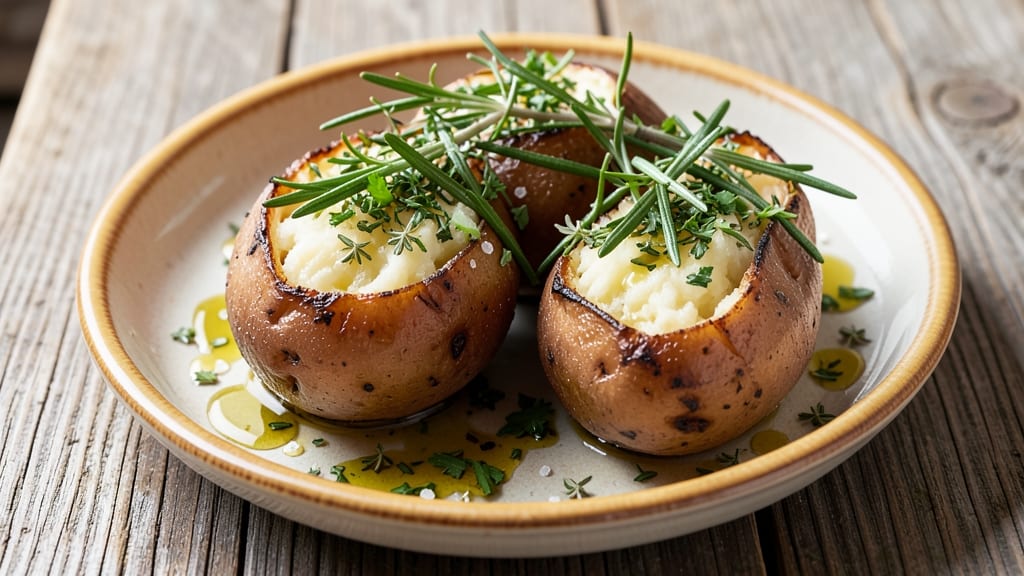
This potato starter recipe transforms humble potatoes into an elegant, herb-infused roast with a golden vinegar crisp that will elevate any appetizer spread. The secret lies in thinly sliced potatoes roasted until tender yet crispy at the edges, infused with fresh herbs and finished with a tangy vinegar glaze.
I developed this recipe after years of testing potato dishes for restaurant-quality results at home—without the fuss.
The process is simpler than it sounds: potatoes are parboiled, sliced thinly for even cooking, and tossed with olive oil, herbs, and salt before roasting until golden. The vinegar glaze adds a bright, crispy finish that cuts through the richness of the potatoes.
This dish delivers restaurant-worthy texture and flavor in just 45 minutes, making it perfect for holiday gatherings or weeknight entertaining.
What you’ll end up with is a visually stunning dish that’s crispy on the outside, tender inside, and bursting with herby, tangy flavors. The golden vinegar crisp adds a satisfying crunch, while the herb-infused potatoes bring depth and aroma.
This starter pairs beautifully with dips like aioli or sour cream, or simply as a standalone appetizer that guests will rave about.
Serve warm or at room temperature, and watch it disappear from the table. The recipe scales easily for crowds, and the technique can be adapted for different herbs or vinegars to suit your taste. Ready to impress? Let’s get started with this foolproof potato starter.
Ingredients for potato starter
Fresh herbs, crisp vinegar glaze, and restaurant-style roasted potatoes—this starter delivers elegant flavor with minimal effort.
| Ingredient | Amount | Notes |
|---|---|---|
| Russet Potatoes 🥔 | 2 lbs | Thinly sliced, parboiled |
| Extra-Virgin Olive Oil 🫒 | ½ cup | High-quality, fruity |
| Fresh Rosemary 🌿 | ¼ cup | Finely chopped, stems removed |
| Fresh Thyme 🌿 | ¼ cup | Finely chopped, stems removed |
| Fresh Parsley 🌿 | ¼ cup | Finely chopped, stems removed |
| White Wine Vinegar 🍷 | ¼ cup | For glaze, high-quality |
| Granulated Sugar 🍚 | 1 tbsp | For glaze, light brown preferred |
| Kosher Salt 🧂 | 1 ½ tsp | For seasoning, coarse grain |
| Fresh Garlic Cloves 🧄 | 4 cloves | Minced, for herb blend |
| Black Pepper 🌶️ | ½ tsp | Freshly ground, coarse |
| Unsalted Butter 🧈 | 2 tbsp | For finishing, cold |
The Russet potatoes are the foundation—avoid waxy varieties like Yukon Gold here, as they won’t achieve the same crispy texture. Most grocery stores carry Russets, but local farmers markets often have fresher, firmer potatoes. Look for firm, unblemished skins and store them in a cool, dark place until use. For restaurant-quality results, slice uniformly at 1/8-inch thickness—a mandoline makes this task effortless. The extra-virgin olive oil should be fruity and peppery, not bitter. Trader Joe’s or Whole Foods bulk sections offer excellent options at reasonable prices.
No fresh rosemary? Dried works at half the amount, but the flavor won’t be as vibrant. Substitute fresh thyme or sage if needed, but the herb trio creates a balanced aroma. The white wine vinegar should be bright and acidic—avoid malt vinegar, which has a sharper taste. For the glaze, balsamic vinegar adds depth but requires more sugar to balance. If you’re short on time, pre-minced garlic from a jar works, though fresh is always better. The unsalted butter should be cold when adding to the finished dish—this creates a luxurious, glossy finish that elevates the presentation.
Prepped potatoes can be parboiled up to 24 hours ahead and stored in cold water in the fridge. The herb mixture keeps for 3 days in an airtight container in the refrigerator. For crowd-sized batches, double the recipe and roast in batches to avoid overcrowding the pan. The finished dish reheats beautifully—broil for 2-3 minutes to restore crispiness. Serve immediately for the best texture, but it holds well at room temperature for up to 2 hours. Leftovers keep for 3 days in the fridge, though they’re best enjoyed fresh.
Why You'll Love This Recipe
- One-Pan Magic: I swear by this recipe when I’m too tired to scrub pots—just slice, roast, and let the olive oil and rosemary do the work. The potatoes caramelize right on the sheet, and honestly? That crispy edge with the fluffy center? Chef’s kiss, no extra dishes.
- Herb-Packed Punch: Between us, fresh rosemary and thyme transform these potatoes into something ridiculously good—bright, earthy, and just sharp enough to cut through richer dishes. I’ll be real: I’ve used dried herbs before, but nothing beats the aroma of these fresh ones baking into the spuds.
- Prep-Ahead Powerhouse: Here’s what sold me—make a double batch on Sunday, and you’ve got lunch or dinner covered all week. The flavors only get better as they sit, and they reheat like a dream (yes, even on a Tuesday night). My lunchbox has never been happier.
- Budget-Friendly Staple: Russets are cheap, olive oil lasts forever, and a few sprigs of herbs stretch across multiple meals. I’ve fed a crowd of six for under $10 using this recipe—plus, the leftovers? They disappear faster than I can say “seconds, please.”
Step-by-step instructions for herb-infused roast potatoes with vinegar crisp
Here's how to transform simple russet potatoes into a restaurant-quality herb roast with a crispy vinegar glaze.
Parboil the Potatoes for Perfect Texture
Preheat your oven to 425°F while you prepare the potatoes. Place the 2 lbs russet potatoes in a large pot and cover with cold water by about 2 inches. Add 1.5 teaspoons kosher salt and bring to a boil over medium-high heat. Once boiling, reduce heat to medium and cook for 8-10 minutes until the potatoes are fork-tender but still hold their shape when pierced.
Drain the potatoes immediately and return them to the pot. Let them steam-dry for 2-3 minutes while you prepare the herb oil. This step is critical—it removes excess moisture so the potatoes develop a crispy exterior instead of steaming. I like to shake the pot gently to help them dry more evenly.
Create the Herb Oil and Seasoning
In a small bowl, combine the 0.5 cup extra-virgin olive oil, 0.25 cup finely chopped fresh rosemary, 0.25 cup finely chopped fresh thyme, 0.25 cup finely chopped fresh parsley, 4 minced fresh garlic cloves, and 0.5 teaspoon black pepper. Mix thoroughly to distribute the herbs evenly. The oil should take on a vibrant green color from the herbs.
Transfer the potatoes to a large bowl and toss them gently with the herb oil mixture, making sure each potato is evenly coated. The oil will cling to the slightly rough surface of the parboiled potatoes. I recommend using your hands for this step—it ensures better coverage than a spoon. Let the potatoes sit for 5 minutes while you prepare the vinegar glaze.
Prepare the Vinegar Glaze and Roast
In a small saucepan, combine the 0.25 cup white wine vinegar and 1 tablespoon granulated sugar. Bring to a simmer over medium heat and cook for 3-4 minutes until slightly reduced and syrupy. You'll know it's ready when it coats the back of a spoon and gives off a pleasant vinegar aroma. Remove from heat and let cool slightly.
Transfer the potatoes to two rimmed baking sheets lined with parchment paper, spreading them in a single layer. Roast for 25-30 minutes at 425°F, stirring once halfway through, until the edges are golden brown and crispy. The potatoes should be tender throughout with a crisp exterior that gives way to a fluffy interior.
Finish with Butter and Glaze
Remove the potatoes from the oven and immediately drizzle with the cooled vinegar glaze, tossing gently to coat. Add the 2 tablespoons cold unsalted butter and toss again until the butter melts and creates a glossy finish. The combination of the crispy potatoes, tangy glaze, and rich butter creates a perfect balance of flavors and textures.
Let the potatoes rest for 2-3 minutes before serving to allow the butter to set slightly. The result should be potatoes with a crispy exterior that gives way to a fluffy interior, infused with herb flavors and finished with a sweet-tangy glaze. Serve immediately while still warm and crispy—these potatoes don't reheat well.
Pro Tips For Making Potato Starter
- CUT UNIFORMLY, NOT PERFECTLY: Russets are stubborn—chop them into 1-inch chunks, not matchsticks. I used to obsess over even edges, but rough cuts crisp faster and release starch better. Just don’t go smaller than 3/4 inch or they’ll turn to mush.
- SALT THE POTATOES FIRST: Toss the chopped Russets with 1 teaspoon of salt before roasting. This kickstarts the starch breakdown, so they brown better and taste deeper. Skip this, and you’ll end up with bland, soggy potatoes—trust me, I’ve made that mistake.
- HIGH HEAT, THEN LOW: Start the potatoes in a 425°F (220°C) oven for 20 minutes to blister the edges. Then drop to 375°F (190°C) for the rest—this two-stage approach gives you crispy skin without burning the insides. I learned this after charring three batches in a rush.
- STEM THE HERBS: Finely chop rosemary and thyme stems—they’re packed with flavor, not just the leaves. Parsley can stay leaf-only, but the stems add earthiness that cuts through the richness of the olive oil. (Yes, even if it looks weird.)
Troubleshooting great potato starter
Potatoes Too Soft
If your potatoes turn out mushy instead of crispy, you likely didn’t steam-dry them long enough after parboiling. I’ve found that 2-3 minutes of drying time is non-negotiable—this removes excess moisture so the starches can properly caramelize in the oven.
Another common culprit is overcrowding the baking sheet, which causes steam buildup. Spread potatoes in a single layer with at least ½ inch between each piece for proper airflow. 💡
Uneven Cooking
Thin slices cook faster than thick ones, so uniform slicing is key. Use a mandoline set to ⅛-inch thickness for consistent results. If your potatoes finish at different doneness levels, try roasting them in batches on wire racks over baking sheets.
This allows heat to circulate evenly from all sides, preventing some pieces from overcooking while others stay underdone.
Glaze Too Thin
The vinegar glaze should coat the back of a spoon when reduced—if it’s watery, you didn’t simmer it long enough. For a thicker glaze, simmer the white wine vinegar and sugar for 4-5 minutes instead of 3-4.
If it’s too thick, thin it with 1 teaspoon water while still warm. The glaze should be syrupy but still pourable—this ensures it clings to the crispy potatoes without pooling.
Herb Flavor Fading
Fresh herbs lose potency when exposed to heat for too long. To preserve their brightness, add the herb oil to the potatoes just before roasting (not during parboiling). If your herbs taste muted, try toasting the dried herbs for 30 seconds before adding them to the oil.
For extra flavor, sprinkle fresh herbs on top right before serving—this adds a pop of color and aroma that roasting can’t replicate. 🌿
Butter Not Melting
Cold butter should melt completely when tossed with hot potatoes, but if it remains clumpy, your potatoes might not be hot enough. Remove them from the oven when they’re just slightly underdone (edges golden but centers still firm).
The residual heat will finish cooking them while melting the butter. For a luxurious finish, I recommend European-style cultured butter—it has a higher fat content that creates a glossier, more stable finish.
Crispy Edges, Mushy Centers
This classic texture mismatch happens when potatoes are over-roasted. Pull them from the oven when the edges are golden brown but the centers still yield slightly to a fork. If they’re still underdone, return them to the oven for 2-3 minutes at a higher temperature (450°F).
For extra insurance, poke each potato with a skewer—it should slide in easily but not fall out. 🍽️
Nutrition facts
Frequently asked questions
Can I use sweet potatoes instead of russets for this recipe?
Sweet potatoes will work, but they have a different texture and flavor profile. They're naturally sweeter and more moist, so you may want to reduce the sugar in the glaze to ½ tablespoon and roast them for 5-10 minutes longer to achieve crispiness. For best results, choose firm, unblemished sweet potatoes and slice them slightly thinner than russets to ensure even cooking.
How can I make this potato starter ahead of time?
You can prep the potatoes up to 24 hours ahead by parboiling and drying them, then storing them in cold water in the fridge. Just drain and pat them dry completely before tossing with the herb oil and roasting. The herb mixture can be made 3 days ahead and stored in an airtight container. For the glaze, make it fresh day-of since it's quick to prepare. Reheat the finished dish under the broiler for 2-3 minutes to restore crispiness.
What's the best way to serve these herb roasted potatoes?
These make an elegant standalone appetizer, but they also pair beautifully with dips like garlic aioli, creamy horseradish sauce, or sour cream with chives. For a complete starter spread, serve alongside crispy prosciutto cups or marinated olives. The vinegar glaze adds enough tang that they don't need heavy accompaniments, but the butter finish makes them rich enough to stand alone. Garnish with extra fresh herbs right before serving for maximum freshness.
Can I make this recipe without fresh herbs?
Yes, but the flavor will be less vibrant. Use ½ teaspoon dried rosemary, ½ teaspoon dried thyme, and ½ teaspoon dried parsley instead of fresh. Toast the dried herbs in a dry pan for 30 seconds to enhance their flavor before mixing with the oil. For garlic, you can use ½ teaspoon garlic powder, though fresh minced garlic adds much more depth. The vinegar glaze and butter will still provide great flavor, but fresh herbs make this dish truly special.
Why do my potatoes turn out soggy instead of crispy?
Soggy potatoes usually result from not drying them properly after parboiling or overcrowding the baking sheet. After draining, let them steam-dry for 2-3 minutes in the pot, shaking occasionally. Spread them in a single layer with ½ inch between each piece for proper airflow. Also ensure your oven is fully preheated to 425°F before roasting. If using a wire rack, it helps create even crispiness by allowing heat to circulate from all sides.