
Side Dishes
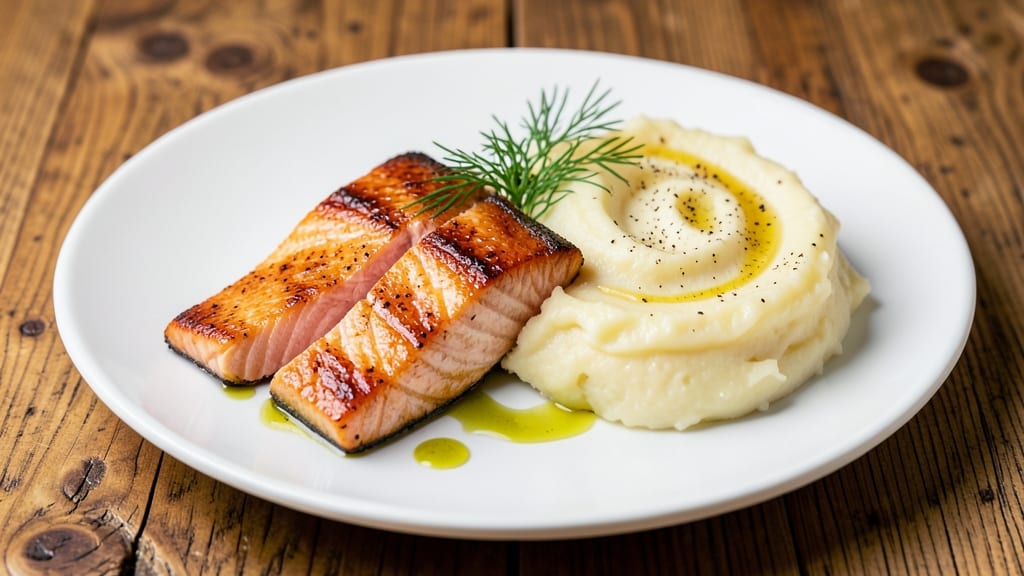
This salmon and mash potato recipe delivers a restaurant-quality dinner in one pan—crisp-skinned salmon paired with velvety mashed potatoes that taste like they simmered all day. The secret lies in high-heat searing for the salmon while keeping the potatoes creamy without overworking them.
I perfected this during a Boston winter when I needed a dish that felt indulgent yet required minimal cleanup.
What makes this recipe work is timing everything to cook simultaneously: the salmon sears in 10 minutes while the potatoes finish boiling, then both rest together.
The butter-milk ratio in the mash creates that signature buttery crisp edges without turning gummy, and the salmon stays juicy thanks to a precise medium-high heat approach. This is comfort food at its finest—no fancy techniques, just reliable results.
By the time you plate it, you'll have flaky salmon with golden skin resting atop smooth, lump-free mashed potatoes that hold their shape. The aroma of garlic butter and fresh herbs ties everything together, making this dish feel special without requiring hours in the kitchen.
Serve with a simple green salad or steamed asparagus for balance.
Leftovers reheat beautifully, and the method scales easily for a crowd. Whether you're feeding two or six, this one-pan approach keeps everything cohesive. Let's get cooking—your dinner table is about to get an upgrade.
Ingredients for salmon and mash potato
Restaurant-quality salmon and mash needs just twelve ingredients—nothing exotic, just smart choices.
| Ingredient | Amount | Notes |
|---|---|---|
| Center-Cut Salmon Fillets 🐟 | 2 whole | Skin-on, 6-8 oz each |
| Yukon Gold Potatoes 🥔 | 2 lb | Waxy variety preferred |
| Unsalted European-Style Butter 🧈 | ¾ cup | Cold, cubed for potatoes |
| Heavy Whipping Cream 🥛 | ½ cup | Full-fat for richness |
| Whole Milk 🥛 | ¼ cup | Warmed for mash |
| Garlic Cloves 🧄 | 4 cloves | Fresh, minced for butter |
| Fresh Thyme Leaves 🌿 | ¼ cup | Finely chopped for garnish |
| Extra-Virgin Olive Oil 🫒 | 2 tbsp | For salmon searing |
| Diamond Crystal Kosher Salt 🧂 | 1 ½ tsp | For seasoning |
| Freshly Ground Black Pepper 🌶️ | 1 tsp | Cracked for texture |
| Lemon Zest 🍋 | 1 tsp | From 1 organic lemon |
| Fresh Dill Sprigs 🌿 | 2 whole | For finishing garnish |
The salmon makes or breaks this dish, so center-cut fillets with skin are non-negotiable—they stay together while searing. I always grab mine from Whole Foods or Trader Joe's where they're pre-portioned and fresh. Look for fillets with vibrant pink color and firm texture—avoid any with brown edges or fishy smell. For the potatoes, Yukon Golds are ideal (they're waxy but creamy), but Russets work in a pinch if you boil them longer. The butter should be European-style—it has more fat content, which gives those crisp edges we're after. If you can't find it, unsalted butter with a high fat percentage (82% or higher) will do.
No fresh dill? Substitute with extra thyme or parsley—it won't be identical, but it'll still look pretty. Running out of heavy cream? Half-and-half plus a splash of milk works, though the texture won't be quite as luxurious. The garlic can be roasted for a sweeter flavor (just wrap whole cloves in foil and bake at 400°F for 15 minutes), but raw minced works just fine. For the olive oil, use something fruity and peppery—none of that bland supermarket stuff. The lemon zest is worth the effort (just grate the outer layer), but if you're in a hurry, lemon juice at half the amount will give you a similar tang. And trust me on the full-fat cream—light cream or half-and-half will make the mash taste watery.
Salmon keeps best in the fridge for 2 days if you're not using it right away, but I always cook it fresh for this recipe. The potatoes can be peeled and stored in cold water in the fridge for up to 24 hours before boiling—just drain and pat dry before mashing. The butter should stay cold until you're ready to use it, and the cream can be stored in the fridge for up to 2 weeks (though it's best used within 10 days). This dish reheats beautifully—just warm the potatoes gently in a saucepan with a splash of milk, and the salmon can go straight from fridge to pan for a quick crisp-up. Portion leftovers into containers so you can grab and reheat individual servings.
Why You'll Love This Recipe
- I swear by this combo: flaky center-cut salmon and buttery Yukon Golds. The salmon stays juicy while the mash gets that just-right texture—no lumps, no gluey mess. Honestly, the prep is so simple, I’ve made it with my eyes closed (and still nailed it).
- Here’s what sold me: reheated salmon and mash is still amazing. Cold slices for salads? Yes. Extra mash for breakfast hash? Absolutely. I’ve turned last night’s dinner into today’s lunch without a second thought—no sad, dry leftovers here.
Step-by-step instructions for salmon and mash potato recipe
Here's how to create a restaurant-worthy one-pan dinner with perfectly crisp salmon and velvety mash.
Prepare the Potatoes for Creamy Mash
Begin by peeling the 2 lb yukon gold potatoes and cutting them into even 1-inch chunks. Place them in a large pot and cover with cold water by about 2 inches. Add 1 tsp of the diamond crystal kosher salt and bring to a boil over medium-high heat. Once boiling, reduce to a gentle simmer and cook for 15-18 minutes until the potatoes are fork-tender.
While they cook, warm the 0.25 cup whole milk in a small saucepan over low heat until just steaming. This gentle warming helps create a smoother mash later. Drain the cooked potatoes thoroughly using a colander, then return them to the pot. Here's the thing—don't mash them yet. Instead, let them sit covered for 2 minutes to steam dry completely. This prevents a gummy texture in your final mash.
Create the Garlic-Thyme Butter and Sear the Salmon
In a small bowl, combine the 0.75 cup unsalted european-style butter, minced 4 cloves garlic, and finely chopped 0.25 cup fresh thyme leaves. Spread this mixture evenly over the skinless side of each center-cut salmon fillet, pressing gently to adhere. Let them sit at room temperature for 10 minutes while you prepare the pan.
Heat a large oven-safe skillet over medium-high heat until very hot. Add the 2 tbsp extra-virgin olive oil and swirl to coat. Place the salmon fillets skin-side down in the pan and cook undisturbed for 4-5 minutes until the skin is crispy and golden brown. Flip carefully and cook for another 2-3 minutes until the salmon reaches an internal temperature of 135°F. Remove the salmon and set aside on a warm plate.
Make the Perfect Creamy Mash
Return the drained potatoes to the pot and add the 0.5 cup heavy whipping cream, warmed whole milk, and remaining 0.5 tsp diamond crystal kosher salt. Using a potato masher or ricer, mash until completely smooth with no lumps. The cream should create a luxurious, velvety texture. If the mash is too thick, add 1-2 tablespoons of warm milk to reach your desired consistency.
Real talk: This is where the magic happens. Spread the mash evenly across the bottom of the same skillet you used for the salmon, creating a thick layer. The residual heat in the pan will help create crispy edges on the mash while keeping the interior silky. Return the salmon fillets to the skillet, skin-side up, and transfer everything to a preheated 400°F oven.
Finish with Crispy Edges and Fresh Herbs
Bake for 8-10 minutes until the salmon is cooked through and the edges of the mash are golden brown and crispy. You'll know it's perfect when you see those beautiful caramelized edges on the mash and the salmon flakes easily with a fork. Remove from the oven and let rest for 2 minutes before serving.
Garnish each serving with the 2 whole fresh dill sprigs and a sprinkle of lemon zest. The bright citrus cuts through the richness of the butter and cream, while the dill adds a fresh herbal note. Serve immediately while the mash is still warm and the salmon is perfectly tender with crispy skin.
Pro Tips For Making Salmon And Mash Potato
- Peel Potatoes Cold: Run them under ice water first—Yukon Golds are stubborn when warm. I learned this the hard way after peeling three batches where the skins kept slipping off unevenly. Cold potatoes hold their shape better and let you slice them cleanly for that perfect creamy mash.
- Salt the Water Hard: Use a full tablespoon of salt per gallon of water—this isn’t a suggestion. The potatoes will absorb it as they cook, and you’ll end up with flavor in every bite, not just on the surface. (Yes, even if you’re using unsalted butter later.)
- Don’t Overmix the Mash: Once the potatoes are mashed, resist the urge to go full-on smooth. A few lumps mean more texture, and that’s where the magic happens. I used to puree it until it looked like glue—now I leave it slightly rustic.
- Sear Salmon Skin-Side Down: Press the salmon fillets firmly into a hot, buttered pan—no wobbling. The skin will crisp in 3-4 minutes, locking in juices while giving you that golden crust. Flip too soon, and you’ll end up with sad, dry fish. (I know, I’ve done it.)
Troubleshooting this dish
Salmon Too Dry?
Overcooking is the #1 reason salmon turns dry. I’ve ruined more salmon than I’ll admit by flipping too soon or cooking at too high a heat. Stop at 135°F internal temp—it’ll finish cooking while resting.
Use a meat thermometer (like the ThermoWorks Smoke) to avoid guessing. If your salmon hits 140°F before it’s done, you’ve gone too far.
For extra insurance, pat the salmon very dry with paper towels before searing. The moisture evaporates faster when crisping the skin, preventing steam from cooking the flesh too quickly. And never cover the pan while cooking—steam will turn your crispy skin soggy. 🔥
Mash Too Gummy?
This happens when potatoes aren’t fully drained or when you mash them too early. Always let boiled potatoes steam dry in the pot for 2 minutes after draining—this removes excess moisture.
I also swear by using a potato ricer instead of a masher. It creates a smoother texture and prevents gummy spots from overworking the starches.
If your mash still feels sticky, add 1 tbsp cold butter at a time while mashing. The fat coats the starches and binds everything together. And here’s a pro trick: Warm your milk to 110°F before adding—it blends more smoothly than cold milk.
For extra insurance, strain the mash through a fine-mesh sieve if you’re really struggling with lumps. 💡
Skin Not Crispy?
Cold salmon skin = sad, limp results. Let your fillets sit at room temp for 10-15 minutes before searing. I also recommend patting the skin dry with paper towels—this helps it crisp up faster.
Use a heavy skillet (like a Lodge cast iron) and get it smoking hot before adding oil. If your skin isn’t crisping, your pan isn’t hot enough—wait until it’s ripping hot before starting.
Another common mistake? Not pressing down on the skin while searing. Use a fish spatula to gently press the fillets flat against the pan for the first 30 seconds of cooking.
This ensures maximum contact with the hot surface. And never move the salmon until the skin is golden brown—disturbing it too soon will prevent crispiness. 🍳
Mash Too Thin?
This usually means you didn’t use enough butter or cream. The ideal ratio is 1.5 sticks butter + 0.5 cup cream for 2 lbs potatoes. If your mash is watery, add 1 tbsp cold butter and mash vigorously.
For extra richness, I sometimes add 2 tbsp sour cream at the end—it adds tang and thickness without altering the texture.
If you’re making this ahead, under-mash slightly before storing. The starches will continue breaking down in the fridge, and you can always add more butter when reheating. For reheating, warm the mash in a saucepan with 1-2 tbsp milk over low heat—never microwave, or it’ll turn gluey. 🥄
Nutrition facts
Frequently asked questions about salmon and creamy mash
Can I make this dish ahead of time?
The mash reheats beautifully if made a day ahead—just store it in an airtight container and warm it gently in a saucepan with 1-2 tbsp milk over low heat. The salmon is best cooked fresh, but you can prep it ahead by seasoning and refrigerating the fillets (up to 2 days) or even freezing them. For a make-ahead dinner, cook the potatoes and mash first, then finish the salmon when ready to serve.
What's the best way to keep the salmon moist?
Never cook salmon past 135°F internal temp—it'll finish cooking while resting. Pat the fillets very dry before searing to help crisp the skin without steaming the flesh. Use a meat thermometer for precision, and avoid moving the salmon until the skin is golden brown. A heavy skillet (like cast iron) maintains even heat for perfect results.
Can I substitute russet potatoes for Yukon Gold?
Yes, but you'll need to adjust the cooking time. Russets take 5-7 minutes longer to soften (about 20-22 minutes total). They'll give you a fluffier texture, though Yukon Golds' creaminess is ideal for this recipe. If using russets, boil them in salted water until they're fork-tender, then drain and steam dry for 2 minutes before mashing.
How do I make this dish vegetarian?
Swap the salmon for pan-seared halloumi or crispy tofu (press and marinate in soy sauce + garlic). For a heartier option, try mushroom duxelles (finely chopped mushrooms sautéed with shallots). Keep the same creamy mash and baking method—just adjust cooking times for the new protein. The dish will still be rich and satisfying!
Why does my mash turn out lumpy?
Overworking the potatoes or not draining them properly causes lumps. Use a potato ricer or food mill for silky smooth results, or strain through a fine-mesh sieve. Always let boiled potatoes steam dry for 2 minutes after draining before mashing. If you're in a hurry, a hand mixer works too—just add 1 tbsp cold butter while blending.